

What are the functions of quartz tubes in ion implantation?
Leave a message

Ion implantation is a crucial process in semiconductor manufacturing and other high - tech industries. It involves introducing ions of a particular element into a solid target to modify its physical and chemical properties. Quartz tubes play several significant functions in this process. As a reliable quartz tubes supplier, I am well - versed in these functions and would like to share them with you.
1. Containment and Protection
One of the primary functions of quartz tubes in ion implantation is containment. During the ion implantation process, high - energy ions are accelerated and directed towards the target material. Quartz tubes are used to enclose the ion source and the path through which the ions travel. This containment serves multiple purposes.
Firstly, it protects the surrounding environment from the high - energy ions. The high - energy ions can cause damage to other equipment and pose a risk to operators if they are not properly contained. Quartz tubes, with their excellent mechanical strength and chemical stability, can withstand the impact of the ions and prevent them from leaking out.
Secondly, the containment provided by quartz tubes helps to maintain a stable environment for the ion implantation process. The tubes can be designed to create a vacuum or a specific gas atmosphere, which is essential for controlling the ion beam characteristics. For example, a vacuum environment can reduce the scattering of ions by gas molecules, ensuring that the ions reach the target material with high precision.
Quartz tubes are also used to protect the ion source from contamination. The ion source is a critical component in the ion implantation system, and any contamination can affect its performance and lifespan. The chemical inertness of quartz makes it an ideal material for creating a protective barrier around the ion source. It resists corrosion from various chemicals and gases used in the ion implantation process, ensuring the long - term stability of the ion source.
2. Optical Monitoring and Control
Quartz tubes are transparent to a wide range of wavelengths, including ultraviolet, visible, and infrared light. This optical transparency makes them extremely useful for monitoring and controlling the ion implantation process.
In ion implantation systems, optical sensors and cameras can be used to observe the ion beam and the target material through the quartz tubes. For example, the intensity and shape of the ion beam can be monitored in real - time using optical techniques. This information can be used to adjust the parameters of the ion source and the beam focusing system to ensure that the ion implantation process is carried out accurately.
The transparency of quartz tubes also allows for the use of optical diagnostic tools to study the interaction between the ions and the target material. For instance, Raman spectroscopy can be used to analyze the structural changes in the target material caused by ion implantation. The quartz tube does not interfere with the optical signals, enabling accurate and detailed analysis.
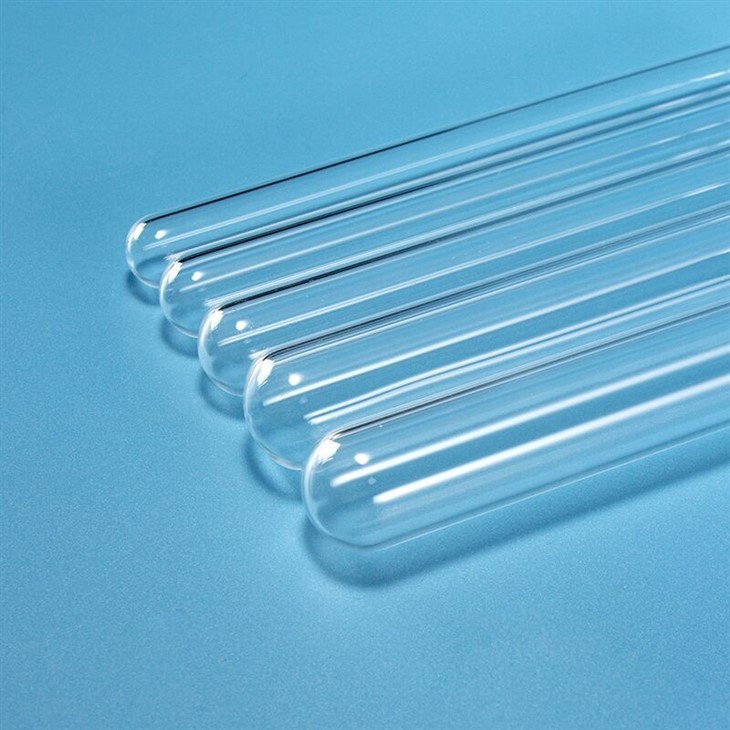

Moreover, the ability to visually inspect the ion implantation process through the quartz tubes is valuable for quality control. Operators can directly observe the implantation area and detect any abnormalities, such as uneven ion distribution or surface damage. This allows for immediate corrective actions to be taken, improving the overall quality of the ion - implanted products.
3. Thermal Management
Ion implantation is a high - energy process that generates a significant amount of heat. Quartz tubes can play an important role in thermal management.
Quartz has relatively good thermal conductivity, which allows it to dissipate heat effectively. In ion implantation systems, the quartz tubes can be used as heat - transfer elements. For example, they can be in contact with cooling systems, such as water - cooled jackets, to remove the heat generated during the ion implantation process. This helps to prevent overheating of the ion source and other components, ensuring their reliable operation.
In addition, the thermal stability of quartz is another advantage. It can withstand high temperatures without significant deformation or chemical changes. This is crucial in ion implantation, where the target material and the ion source may be exposed to high - temperature conditions. The quartz tubes can maintain their structural integrity and performance under these extreme thermal conditions, providing a stable environment for the ion implantation process.
4. Chemical Resistance and Compatibility
As mentioned earlier, quartz is chemically inert and resistant to a wide range of chemicals. In ion implantation, various chemicals and gases are used, such as dopant gases (e.g., boron trifluoride, phosphine) and cleaning agents. Quartz tubes can resist the corrosion and chemical reactions caused by these substances.
This chemical resistance is essential for maintaining the purity of the ion implantation process. If the tubes were to react with the chemicals used, it could introduce impurities into the ion beam or the target material, affecting the quality of the ion - implanted products. The compatibility of quartz with different chemicals also allows for the use of a variety of cleaning and maintenance procedures without damaging the tubes.
Types of Quartz Tubes for Ion Implantation
There are different types of quartz tubes that can be used in ion implantation, each with its own specific characteristics and applications.
- Quartz Stirring Tube: The Quartz Stirring Tube is designed to be used in systems where the gas or liquid needs to be stirred during the ion implantation process. It can help to ensure a uniform distribution of dopant gases or other substances in the implantation chamber, improving the consistency of the ion implantation results.
- General Quartz Tubes: The Quartz Tubes are the most commonly used type in ion implantation. They are used for containment, optical monitoring, and thermal management. These tubes come in various sizes and specifications to meet the different requirements of ion implantation systems.
- Quartz Ultraviolet Sterilization Tubes: The Quartz Ultraviolet Sterilization Tubes can be used to sterilize the ion implantation chamber and the surrounding environment. Ultraviolet light can effectively kill bacteria and other microorganisms, reducing the risk of contamination in the ion implantation process.
Conclusion
In conclusion, quartz tubes play a vital role in ion implantation, providing functions such as containment and protection, optical monitoring and control, thermal management, and chemical resistance. As a quartz tubes supplier, we understand the importance of these functions and are committed to providing high - quality quartz tubes that meet the strict requirements of the ion implantation industry.
If you are involved in ion implantation or other high - tech industries that require quartz tubes, we would be glad to discuss your specific needs and provide you with the most suitable solutions. Whether you need standard quartz tubes or customized products, our experienced team can assist you. Contact us for more information and let's start a fruitful cooperation in the field of quartz tubes for ion implantation.
References
- "Semiconductor Manufacturing Technology" by Stephen A. Campbell
- "Ion Implantation in Semiconductors and Other Materials" by J. F. Ziegler


