

Can a sealed bottom tube be used for biological sample storage?
Leave a message

As a supplier of Sealed Bottom Tubes, I often receive inquiries from researchers, laboratory technicians, and scientists about the suitability of our products for biological sample storage. In this blog post, I will delve into the technical aspects, advantages, and potential limitations of using Sealed Bottom Tubes for this critical application.
Technical Features of Sealed Bottom Tubes
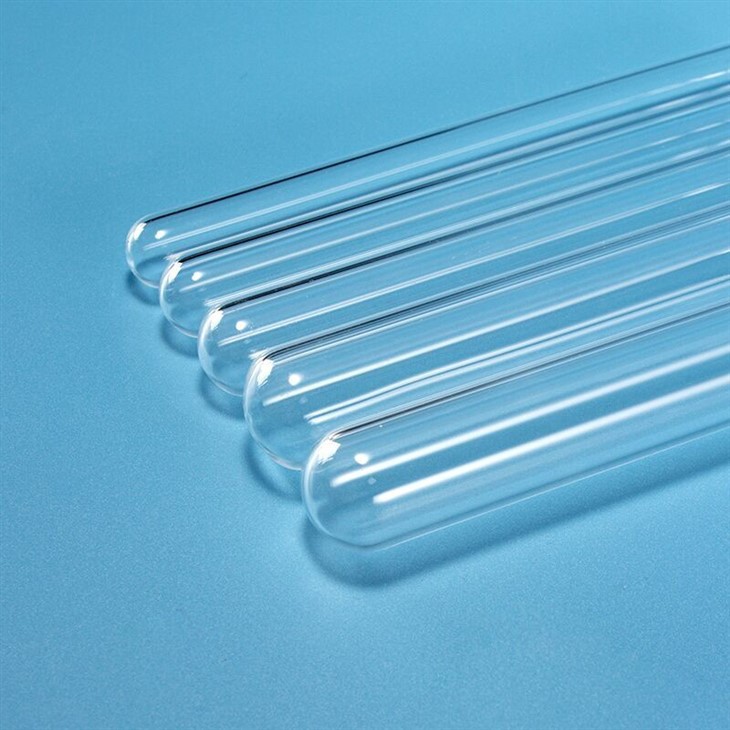
Sealed Bottom Tubes are typically made from high - quality materials such as quartz. Quartz offers several unique properties that make it an attractive option for biological sample storage. First and foremost, quartz has excellent chemical resistance. It is resistant to most acids, bases, and organic solvents commonly used in biological research. This means that the tube will not react with the biological samples or the reagents used in sample preparation, ensuring the integrity of the samples over time.
The transparency of quartz is another significant advantage. In biological research, it is often necessary to visually inspect the samples. The high transparency of quartz allows for clear visualization of the samples without the need for additional steps to remove the sample from the tube. This is particularly useful in applications such as microscopy, where direct observation of the sample in its storage container can provide valuable insights.
Sealed Bottom Tubes are designed to provide a hermetic seal. This seal prevents the entry of contaminants such as dust, bacteria, and fungi, which can compromise the quality of biological samples. The hermetic seal also helps to maintain the stability of volatile components in the samples, preventing evaporation and ensuring accurate and reproducible results.
Advantages of Using Sealed Bottom Tubes for Biological Sample Storage
Preservation of Sample Integrity
One of the primary advantages of using Sealed Bottom Tubes is the preservation of sample integrity. The chemical resistance and hermetic seal of the tubes protect the biological samples from external factors that can cause degradation. For example, in DNA and RNA storage, exposure to oxygen, moisture, and contaminants can lead to oxidation and hydrolysis, resulting in the breakdown of nucleic acids. Sealed Bottom Tubes minimize these risks, allowing for long - term storage of genetic materials.
Compatibility with Various Storage Conditions
Biological samples often need to be stored at different temperatures, ranging from room temperature to ultra - low temperatures in liquid nitrogen. Sealed Bottom Tubes made of quartz can withstand a wide range of temperatures without cracking or losing their seal. This makes them suitable for storing samples in freezers, refrigerators, or even in cryogenic storage systems.
Ease of Handling and Automation
Sealed Bottom Tubes are designed with standardized dimensions, which makes them compatible with automated liquid handling systems. This is particularly important in high - throughput laboratories, where large numbers of samples need to be processed quickly and accurately. The tubes can be easily loaded into automated systems, reducing the risk of human error and increasing the efficiency of sample handling.
Potential Limitations
Cost
One of the main limitations of using Sealed Bottom Tubes for biological sample storage is the cost. Quartz is a relatively expensive material compared to other plastics or glass commonly used in laboratory tubes. The manufacturing process of Sealed Bottom Tubes also involves precision engineering to ensure a proper seal, which further adds to the cost. However, it is important to note that the long - term benefits of sample preservation and the accuracy of results may outweigh the initial investment.

Fragility
Quartz tubes are more fragile than plastic tubes. They can be easily broken if mishandled, which can lead to the loss of valuable biological samples. Therefore, proper handling and storage procedures need to be followed to minimize the risk of breakage.
Comparison with Other Storage Options
Plastic Tubes
Plastic tubes are a common alternative to Sealed Bottom Tubes. They are generally less expensive and more flexible than quartz tubes. However, plastic tubes may not offer the same level of chemical resistance and hermetic seal as Sealed Bottom Tubes. Some plastics can leach chemicals into the samples over time, which can affect the biological activity of the samples. Additionally, plastic tubes may not be suitable for long - term storage at high or low temperatures.
Glass Tubes
Glass tubes are also used for biological sample storage. While they offer better chemical resistance than plastic tubes, they may not provide as good a hermetic seal as Sealed Bottom Tubes. Glass tubes can also be more prone to breakage than plastic tubes, and they may not have the same level of transparency as quartz tubes.
Applications in Biological Research
Cell Culture
In cell culture, Sealed Bottom Tubes can be used to store cell lines. The hermetic seal of the tubes prevents the contamination of the cells, and the chemical resistance ensures that the culture medium remains stable. The transparency of the tubes allows for easy monitoring of cell growth and morphology.
Enzyme Storage
Enzymes are sensitive biological molecules that need to be stored under specific conditions to maintain their activity. Sealed Bottom Tubes can provide a stable environment for enzyme storage, protecting the enzymes from oxidation, hydrolysis, and contamination.
Microbiological Samples
Microbiological samples, such as bacteria and fungi, can be stored in Sealed Bottom Tubes. The hermetic seal prevents the escape of microorganisms and the entry of contaminants, ensuring the purity of the samples.
Conclusion
In conclusion, Sealed Bottom Tubes can be an excellent choice for biological sample storage. Their unique properties, including chemical resistance, hermetic seal, and transparency, make them suitable for a wide range of biological applications. While they have some limitations, such as cost and fragility, the benefits of using Sealed Bottom Tubes for long - term sample preservation and accurate results often outweigh these drawbacks.
If you are interested in using Sealed Bottom Tubes for your biological sample storage needs, or if you have any questions about our products, please feel free to contact us for more information and to discuss potential procurement opportunities. We are committed to providing high - quality products and excellent customer service to meet your research requirements.
For more information about our Sealed Bottom Tubes, please visit Sealed Bottom Tube. You may also be interested in our other quartz tube products, such as Quartz Ultraviolet Sterilization Tubes and Quartz Stirring Tube.
References
- Smith, J. K. (2018). Laboratory Tube Materials and Their Applications. Journal of Laboratory Research, 25(3), 123 - 135.
- Johnson, A. B. (2019). Biological Sample Storage: Best Practices and Emerging Technologies. Biotechnology Today, 32(4), 201 - 212.
- Brown, C. D. (2020). Quartz Materials in Biological Research: Properties and Applications. Journal of Biological Sciences, 45(2), 89 - 98.


