

Can laboratory glassware be used for photochemical experiments?
Leave a message

Photochemical experiments, which involve the interaction of light with chemical substances, have become increasingly important in various scientific fields, including chemistry, biology, and environmental science. As a laboratory glassware supplier, I often receive inquiries from researchers about whether our laboratory glassware can be used for photochemical experiments. In this blog post, I will delve into this question, exploring the types of glassware suitable for photochemical experiments, their properties, and considerations for their use.
Understanding the Requirements of Photochemical Experiments
Before discussing the suitability of laboratory glassware for photochemical experiments, it is essential to understand the unique requirements of these experiments. Photochemical reactions are driven by light energy, typically in the ultraviolet (UV), visible, or infrared (IR) regions of the electromagnetic spectrum. Therefore, the glassware used in these experiments must be transparent to the relevant wavelengths of light, minimizing absorption and scattering to ensure that sufficient light reaches the reaction mixture.
In addition to optical transparency, the glassware must also be chemically resistant to the reactants and solvents used in the experiment. Photochemical reactions can involve highly reactive species and harsh chemicals, so the glassware must be able to withstand these conditions without undergoing chemical degradation or leaching impurities into the reaction mixture.
Types of Laboratory Glassware for Photochemical Experiments
Quartz Glassware
Quartz glass is one of the most commonly used materials for photochemical experiments due to its excellent optical properties and chemical resistance. Quartz has a high transmittance in the UV, visible, and IR regions, making it suitable for a wide range of photochemical reactions. It also has a low coefficient of thermal expansion, which means it can withstand rapid temperature changes without cracking.

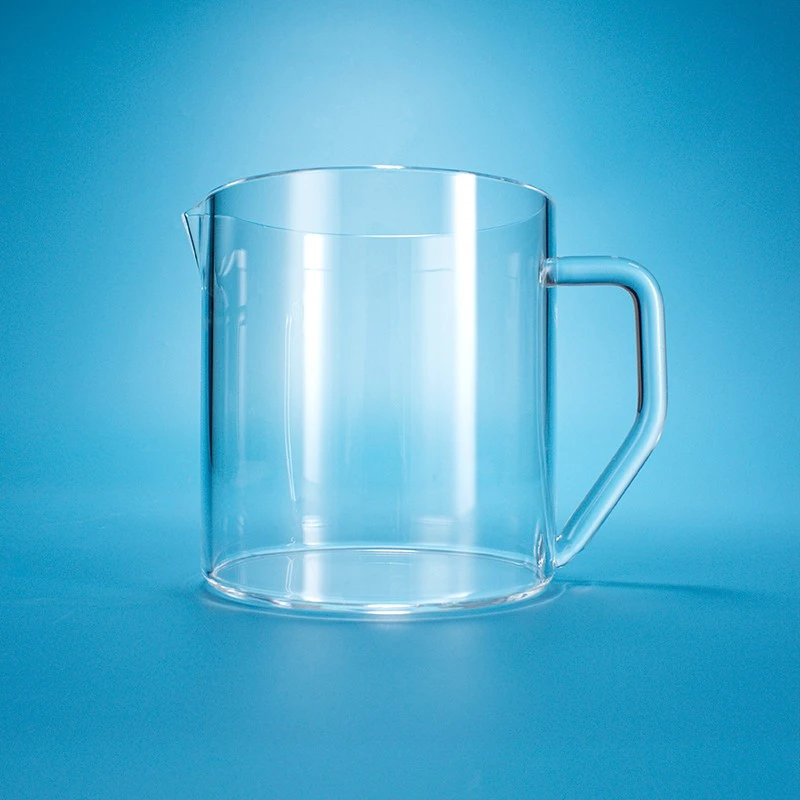
- Quartz Flask: A Quartz Flask is a versatile piece of glassware that can be used for a variety of photochemical reactions. It is available in different sizes and shapes, including round-bottom, flat-bottom, and volumetric flasks. The transparent nature of quartz allows for easy observation of the reaction mixture, and its chemical resistance ensures that it can be used with a wide range of solvents and reactants.
- Quartz Beaker: A Quartz Beaker is another popular choice for photochemical experiments. It is ideal for mixing, heating, and storing reaction mixtures. Like quartz flasks, quartz beakers have excellent optical properties and chemical resistance, making them suitable for use in a variety of photochemical applications.
Borosilicate Glassware
Borosilicate glass is another type of glass that is commonly used in laboratories, including for photochemical experiments. Borosilicate glass has good chemical resistance and thermal stability, and it is relatively inexpensive compared to quartz glass. However, its transmittance in the UV region is lower than that of quartz, so it may not be suitable for experiments that require high UV light intensity.
- Graduated Measuring Cylinder: A Graduated Measuring Cylinder made of borosilicate glass is often used in photochemical experiments for measuring and dispensing liquids. It is available in different volumes and has graduated markings for accurate measurement. While borosilicate glass may not be as transparent in the UV region as quartz, it can still be used for many photochemical reactions that do not require high UV light intensity.
Considerations for Using Laboratory Glassware in Photochemical Experiments
Cleaning and Preparation
Proper cleaning and preparation of the glassware are essential for ensuring accurate and reproducible results in photochemical experiments. Before use, the glassware should be thoroughly cleaned with a suitable detergent and rinsed with distilled water. It may also be necessary to soak the glassware in a solution of acid or base to remove any stubborn contaminants.
After cleaning, the glassware should be dried thoroughly to prevent the presence of water droplets, which can scatter light and affect the accuracy of the experiment. It is also important to handle the glassware carefully to avoid scratching or damaging the surface, as this can also affect its optical properties.
Light Source and Wavelength
The choice of light source and wavelength is crucial in photochemical experiments. Different photochemical reactions require different wavelengths of light, so it is important to select a light source that emits light at the appropriate wavelengths. The glassware used in the experiment should also be compatible with the light source and wavelength, ensuring that it has high transmittance at the relevant wavelengths.
Temperature and Pressure
Photochemical reactions can be sensitive to temperature and pressure, so it is important to control these variables carefully during the experiment. The glassware used in the experiment should be able to withstand the temperature and pressure conditions of the reaction without breaking or deforming. It is also important to ensure that the glassware is properly sealed to prevent the escape of reactants or products.
Conclusion
In conclusion, laboratory glassware can be used for photochemical experiments, provided that the appropriate type of glassware is selected and used correctly. Quartz glassware, such as quartz flasks and beakers, is the preferred choice for experiments that require high UV light intensity and excellent chemical resistance. Borosilicate glassware, such as graduated measuring cylinders, can also be used for many photochemical reactions that do not require high UV light intensity.
As a laboratory glassware supplier, we offer a wide range of glassware suitable for photochemical experiments, including quartz glassware and borosilicate glassware. Our glassware is made from high-quality materials and is designed to meet the strict requirements of scientific research. If you are interested in purchasing laboratory glassware for your photochemical experiments, please feel free to contact us to discuss your specific needs. We are committed to providing you with the best products and services to support your research.
References
- Atkins, P. W., & de Paula, J. (2014). Physical Chemistry (10th ed.). Oxford University Press.
- Turro, N. J., Ramamurthy, V., & Scaiano, J. C. (2009). Principles of Molecular Photochemistry: An Introduction. University Science Books.
- Glass Science and Technology: Volume 1: Fundamentals of Glass Science. (2008). Elsevier.


