

How does the sealing process ensure the sterility of a sealed bottom tube?
Leave a message

Hey there! I'm a supplier of Sealed Bottom Tubes, and today I wanna chat about how the sealing process plays a crucial role in ensuring the sterility of these tubes.
First off, let's understand what a Sealed Bottom Tube is. You can check out more details about it here. These tubes are widely used in various industries, especially in those that require high - level sterility, like the medical and pharmaceutical fields.
The sealing process is like the gatekeeper of sterility. When we talk about sealing a tube, it's not just about closing it up. It's a carefully orchestrated series of steps that prevent any outside contaminants from getting in.
One of the key steps in the sealing process is cleaning. Before we even think about sealing, the tubes have to be spotless. We use special cleaning agents that are designed to remove any dirt, dust, or grease that might be on the surface of the tube. This is super important because even the tiniest particle can be a breeding ground for bacteria. After cleaning, the tubes are rinsed thoroughly with high - purity water to make sure no cleaning agent residue is left behind.
Once the tubes are clean, they go through a drying process. Moisture is the enemy of sterility. If there's any water left inside the tube, it can create a humid environment where bacteria can thrive. We use methods like hot air drying or vacuum drying to make sure the tubes are completely dry.
Now, let's get to the actual sealing part. There are different ways to seal a Sealed Bottom Tube, and one common method is heat sealing. In heat sealing, we use a high - temperature source to melt the edges of the tube. This melted material then fuses together, creating a tight seal. During this process, it's crucial to control the temperature precisely. If the temperature is too low, the seal won't be strong enough, and contaminants can easily get in. If it's too high, it can damage the tube material and also create microscopic cracks, which are also entry points for bacteria.
Another method is laser sealing. Laser sealing is a more precise way of sealing. The laser beam can be focused on a very small area, creating a clean and strong seal. It also has the advantage of being a non - contact method, which means there's less risk of introducing contaminants from the sealing equipment itself.
After the sealing is done, we perform quality checks. We use techniques like pressure testing to make sure the seal is airtight. If there's any leakage, it means the sterility of the tube is at risk. We also use visual inspection under a microscope to check for any defects in the seal, like cracks or uneven surfaces.

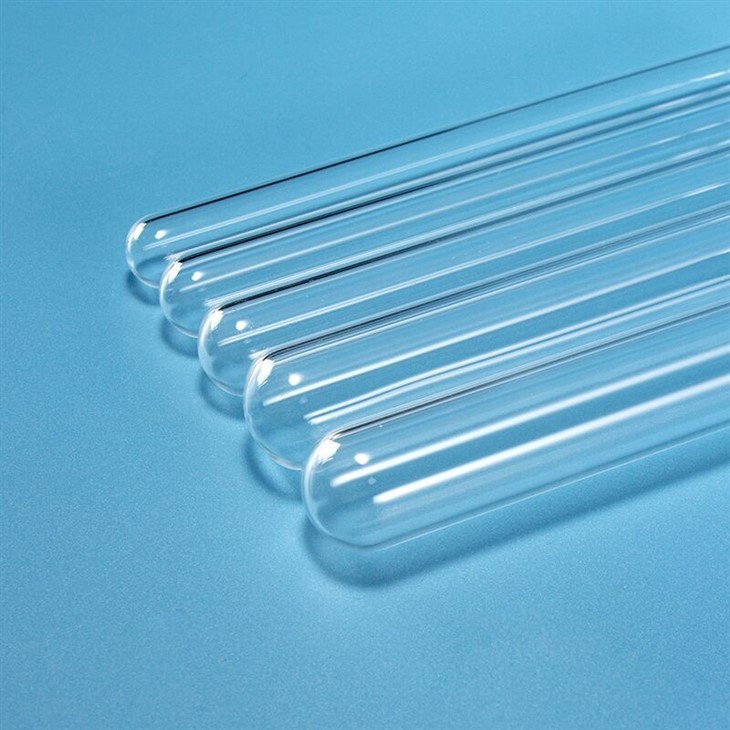
Now, let's talk about the role of materials in the sealing process. Sealed Bottom Tubes are often made from high - quality materials like quartz. Quartz has excellent chemical resistance and can withstand high temperatures, which are important properties for maintaining sterility. You can learn more about quartz tubes, such as Quartz Protective Tube and Quartz Ultraviolet Sterilization Tubes, which are related to our Sealed Bottom Tubes.
Quartz is also transparent, which is useful for applications where you need to see the contents inside the tube. And because it's a very pure material, it doesn't react with most chemicals, reducing the risk of contamination from chemical reactions.
In addition to the sealing process itself, the environment where the sealing takes place is also crucial. The sealing area is usually a cleanroom. A cleanroom is a controlled environment where the number of airborne particles is kept to a minimum. This helps to prevent any dust or bacteria in the air from settling on the tubes during the sealing process.
We also follow strict protocols in the cleanroom. Workers wear special cleanroom suits, masks, and gloves to prevent any skin particles or hair from getting into the tubes. The air in the cleanroom is constantly filtered to remove any contaminants.
After the tubes are sealed and pass the quality checks, they are packaged in a sterile environment. The packaging is designed to protect the tubes from further contamination during storage and transportation. We use materials like sterile plastic bags or containers that are resistant to punctures and tears.
The sealing process of a Sealed Bottom Tube is a multi - step process that involves cleaning, drying, precise sealing, quality checks, and proper packaging. Each step is carefully designed to ensure the sterility of the tube.
If you're in the market for high - quality Sealed Bottom Tubes, don't hesitate to reach out for a purchase negotiation. We're here to provide you with the best products and solutions for your sterility - sensitive applications.
References:
- General knowledge of tube manufacturing and sterilization processes in the medical and pharmaceutical industries.
- Industry standards and guidelines for tube sealing and sterility control.


