

How long does a quartz rod typically last?
Leave a message

Hey there! As a supplier of Quartz Rods, I often get asked the question: "How long does a quartz rod typically last?" Well, let's dive right into this topic and break it down.
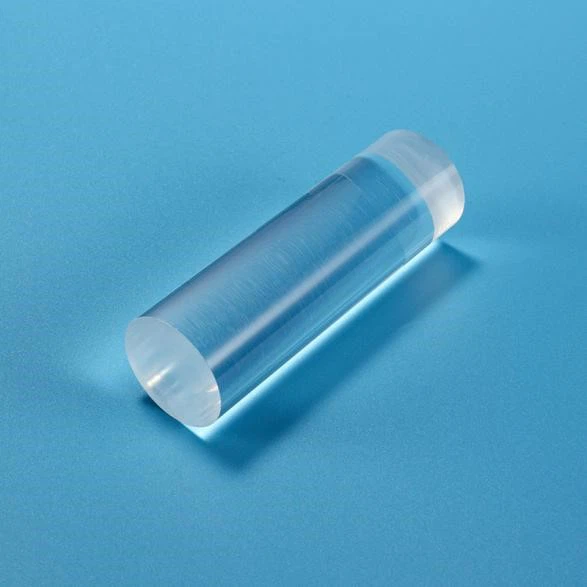
First off, what is a quartz rod anyway? A quartz rod is a cylindrical piece made from high - purity quartz material. It's used in a wide range of industries, from electronics to lighting, and even in some scientific research. You can check out more about Quartz Rod on our website.
The lifespan of a quartz rod depends on several factors. One of the most important ones is the quality of the raw material. The Quartz Sand used to make the quartz rod plays a crucial role. High - purity quartz sand with fewer impurities will result in a quartz rod that is more durable and has a longer lifespan. Impurities can cause weak points in the rod, making it more prone to cracking or breaking under stress.
Another factor is the manufacturing process. A well - made quartz rod goes through a series of precise steps to ensure its structural integrity. If the manufacturing process is flawed, it can affect the rod's longevity. For example, improper heating or cooling during the forming process can create internal stresses in the rod, which may lead to premature failure.
The environment in which the quartz rod is used also matters a great deal. In a clean, stable environment with minimal mechanical stress and temperature fluctuations, a quartz rod can last a really long time. However, if it's exposed to harsh chemicals, extreme temperatures, or high - impact forces, its lifespan will be significantly reduced.
Let's talk about some specific industries and how long a quartz rod might last in each.
Electronics Industry
In the electronics industry, quartz rods are often used in semiconductor manufacturing. They can be part of the equipment that helps in the precise deposition of materials on silicon wafers. In this highly controlled environment, where the temperature and humidity are carefully regulated, a quartz rod can last anywhere from several months to a few years. The key here is that the rod is used in a relatively low - stress situation, and the manufacturing process of the electronics equipment usually takes into account the properties of the quartz rod to ensure its long - term performance.

Lighting Industry
Quartz rods are commonly used in high - intensity discharge (HID) lamps. These lamps are known for their bright light output and are used in applications such as street lighting and automotive headlights. In a lighting application, the quartz rod is exposed to high temperatures due to the electrical arc inside the lamp. The constant heating and cooling cycles can cause thermal stress on the rod. On average, a quartz rod in an HID lamp might last around 10,000 to 20,000 hours of operation. However, this can vary depending on the quality of the lamp and how often it is turned on and off. Frequent on - off cycles can accelerate the degradation of the quartz rod.
Scientific Research
In scientific research, quartz rods are used in various experiments, often in specialized equipment. The lifespan of a quartz rod in this context can vary widely depending on the nature of the experiment. If it's used in a simple optical experiment where it's just transmitting light, it can last for a very long time, perhaps decades. But if it's part of an experiment that involves high - energy radiation or corrosive chemicals, its lifespan could be much shorter, maybe just a few weeks or months.
Glass Manufacturing
Quartz rods are sometimes used in glass manufacturing processes, especially for making high - quality glass products. In a glass furnace, the quartz rod is exposed to extremely high temperatures. The lifespan of a quartz rod in this environment can be relatively short, usually ranging from a few weeks to a couple of months. The high - temperature environment and the contact with molten glass can cause the rod to erode over time.
Now, you might be wondering if there are any ways to extend the lifespan of a quartz rod. Well, proper maintenance is key. Regular cleaning can remove any contaminants that might be on the surface of the rod, which can prevent chemical reactions that could damage the rod. Also, if possible, reducing the mechanical stress on the rod and avoiding sudden temperature changes can help.
It's also important to choose the right type of quartz rod for your specific application. Different grades of quartz rods have different properties, and selecting the one that best suits your needs can significantly improve its lifespan. You can learn more about the Raw Material Of Quartz Plate and how it relates to the quality of the quartz rod on our website.
In conclusion, there's no one - size - fits - all answer to how long a quartz rod typically lasts. It can range from a few weeks in a harsh industrial environment to several years in a controlled laboratory setting.
If you're in the market for high - quality quartz rods, we're here to help. We offer a wide range of quartz rods made from the finest Quartz Sand and manufactured using state - of - the - art processes. Whether you're in the electronics, lighting, scientific research, or any other industry that requires quartz rods, we can provide you with the right product to meet your needs.
If you're interested in discussing your specific requirements or want to learn more about our quartz rods, don't hesitate to reach out. We're always happy to have a chat and help you find the best solution for your business.
References
- "Quartz Materials in High - Tech Applications" - A technical report on the properties and uses of quartz materials in various industries.
- "The Science of Quartz Rod Manufacturing" - A research paper that delves into the manufacturing processes of quartz rods and their impact on quality and lifespan.


