

How to clean a heavily soiled Quartz Crucible?
Leave a message

As a supplier of quartz crucibles, I understand the importance of maintaining the quality and cleanliness of these essential laboratory tools. A heavily soiled quartz crucible can compromise the accuracy of experiments and lead to inaccurate results. In this blog post, I will share some effective methods and best practices on how to clean a heavily soiled quartz crucible.
Understanding the Nature of the Soil
Before diving into the cleaning process, it's crucial to understand the type of soil that has accumulated on the quartz crucible. Different types of contaminants require different cleaning approaches. Common types of soil include:
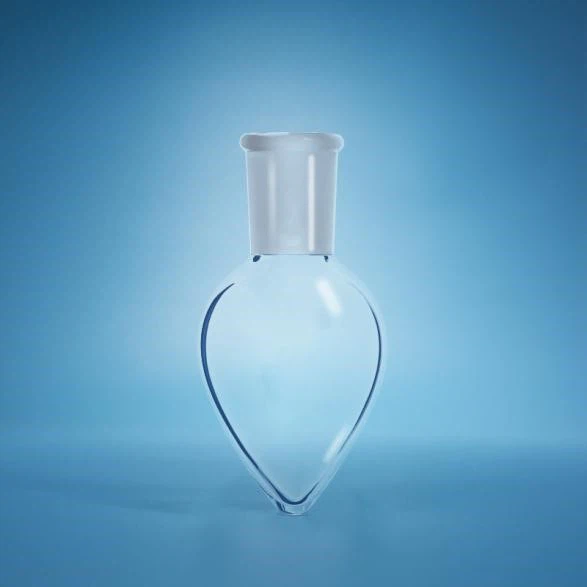

- Organic Residues: These can come from various sources such as oils, greases, and biological materials. Organic residues can often be removed using solvents or detergents.
- Inorganic Residues: Metals, salts, and oxides are examples of inorganic residues. These may require more aggressive cleaning methods such as acid treatments.
- Particulate Matter: Dust, sand, and other small particles can accumulate on the surface of the crucible. Gentle brushing or rinsing may be sufficient to remove these.
Pre - cleaning Preparations
- Safety First: Always wear appropriate personal protective equipment (PPE), including gloves, goggles, and a lab coat. Some cleaning agents can be hazardous if they come into contact with your skin or eyes.
- Inspect the Crucible: Check for any cracks or damage in the crucible before cleaning. A damaged crucible may not be suitable for further use and could pose a safety risk during the cleaning process.
- Remove Loose Debris: Use a soft brush or compressed air to remove any loose particles from the surface of the crucible. This will make the subsequent cleaning steps more effective.
Cleaning Methods
Method 1: Detergent Cleaning
For lightly to moderately soiled crucibles with organic residues, a detergent solution can be a good starting point.
- Prepare the Detergent Solution: Choose a mild, non - abrasive detergent and mix it with warm water according to the manufacturer's instructions.
- Soak the Crucible: Submerge the crucible in the detergent solution and let it soak for at least 30 minutes to an hour. This will help to loosen the organic residues.
- Scrub Gently: Use a soft - bristled brush to gently scrub the interior and exterior of the crucible. Pay special attention to areas with heavy soiling.
- Rinse Thoroughly: Rinse the crucible with clean water several times to remove all traces of the detergent. Make sure to rinse both the inside and outside of the crucible.
Method 2: Acid Cleaning
For heavily soiled crucibles with inorganic residues, acid cleaning may be necessary. However, this method should be used with caution as acids can be dangerous.
- Select the Appropriate Acid: Hydrofluoric acid (HF) is commonly used for cleaning quartz crucibles as it can dissolve many inorganic compounds. However, HF is extremely hazardous and should only be used in a well - ventilated area with proper safety precautions. Other acids such as hydrochloric acid (HCl) or nitric acid (HNO₃) can also be used depending on the type of residue.
- Prepare the Acid Solution: Dilute the acid according to the recommended concentration. For example, a 10 - 20% solution of HCl or HNO₃ is often used. When using HF, follow strict safety guidelines and use a fume hood.
- Soak the Crucible: Place the crucible in the acid solution and let it soak for a specific period. The soaking time will depend on the severity of the soiling, but it can range from a few hours to overnight.
- Rinse and Neutralize: After soaking, carefully remove the crucible from the acid solution and rinse it thoroughly with water. Then, neutralize any remaining acid by soaking the crucible in a solution of sodium bicarbonate (baking soda) for a few minutes.
- Final Rinse: Rinse the crucible again with clean water to ensure that all traces of acid and neutralizing agent are removed.
Method 3: Ultrasonic Cleaning
Ultrasonic cleaning can be an effective method for removing stubborn contaminants from quartz crucibles.
- Prepare the Ultrasonic Cleaner: Fill the ultrasonic cleaner with an appropriate cleaning solution, such as a detergent solution or a diluted acid solution depending on the type of soil.
- Place the Crucible: Gently place the crucible in the ultrasonic cleaner, making sure it is fully submerged in the cleaning solution.
- Run the Ultrasonic Cleaner: Turn on the ultrasonic cleaner and let it run for the recommended time, usually 15 - 30 minutes. The ultrasonic waves will create tiny bubbles that implode, generating a scrubbing action that can dislodge contaminants.
- Rinse the Crucible: After the ultrasonic cleaning cycle is complete, remove the crucible from the cleaner and rinse it thoroughly with water.
Post - cleaning Steps
- Drying: After cleaning, dry the crucible thoroughly. You can use a clean, lint - free cloth to wipe off excess water or place the crucible in an oven at a low temperature (around 100 - 120°C) for a few hours.
- Inspection: Once the crucible is dry, inspect it again for any remaining soil or damage. If necessary, repeat the cleaning process.
- Storage: Store the clean crucible in a clean, dry place to prevent re - contamination. You can use a Quartz Reagent Bottle or a dedicated storage container to keep the crucible protected.
Tips and Tricks
- Avoid Abrasive Materials: Do not use abrasive sponges or brushes on the quartz crucible as they can scratch the surface, which may affect its performance in future experiments.
- Use Fresh Cleaning Solutions: Always use fresh cleaning solutions for each cleaning session to ensure maximum effectiveness.
- Test on a Small Area: If you are using a new cleaning agent or method, test it on a small, inconspicuous area of the crucible first to make sure it does not cause any damage.
Conclusion
Cleaning a heavily soiled quartz crucible requires a systematic approach and the use of appropriate cleaning methods. By following the steps outlined in this blog post, you can effectively remove contaminants from your quartz crucibles and ensure their continued performance in the laboratory.
As a supplier of high - quality quartz crucibles, we are committed to providing our customers with not only top - notch products but also valuable information on how to maintain and care for them. If you are interested in purchasing quartz crucibles or have any questions about our products, please feel free to contact us for further discussion and procurement negotiations.
References
- "Laboratory Glassware: Care and Cleaning" - A standard laboratory manual on glassware maintenance.
- "Quartz Materials in Laboratory Applications" - A research paper on the properties and handling of quartz in laboratory settings.


