

How to ensure the integrity of glassware during a reflux experiment?
Leave a message

Reflux experiments are a cornerstone in many laboratory procedures, especially in chemical synthesis and analysis. These experiments involve heating a reaction mixture in a flask while continuously condensing the vapors and returning them to the flask. Glassware is an essential component in reflux setups, and ensuring its integrity is crucial for the success and safety of the experiment. As a laboratory glassware supplier, I understand the significance of high - quality glassware and the steps needed to maintain its integrity during a reflux experiment.
Selecting the Right Glassware
The first step in ensuring the integrity of glassware during a reflux experiment is choosing the appropriate type of glassware. Different types of glass have varying properties, such as thermal resistance, chemical resistance, and mechanical strength. For reflux experiments, borosilicate glass is often the preferred choice. It has a low coefficient of thermal expansion, which means it can withstand rapid temperature changes without cracking.
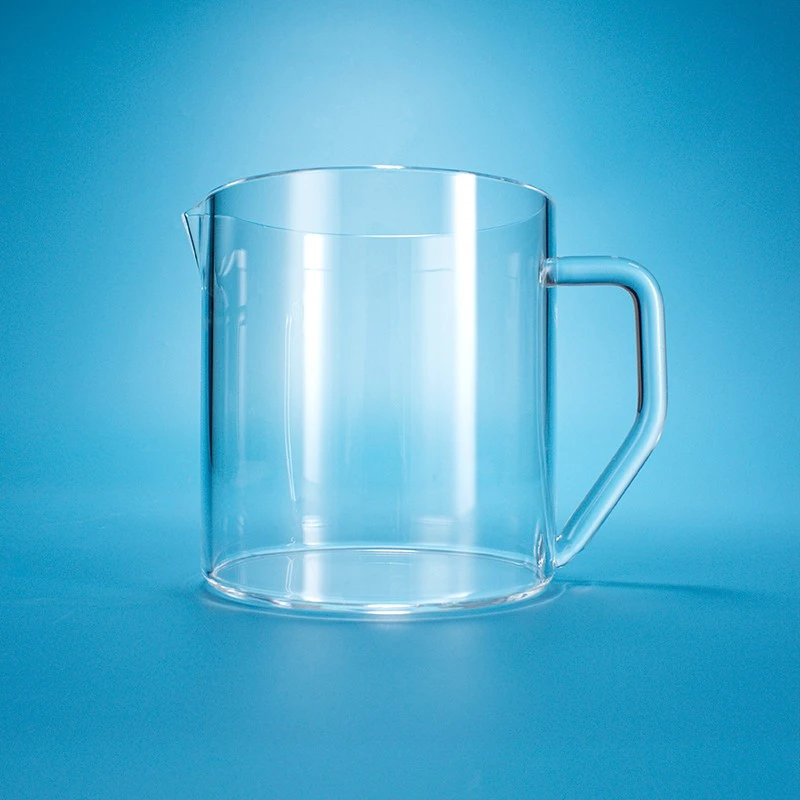
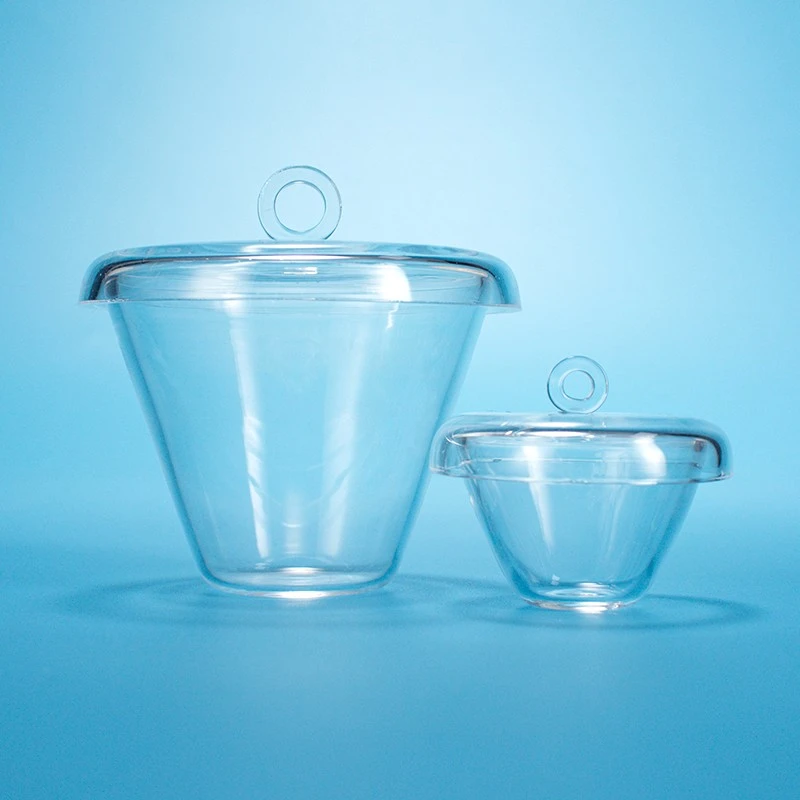
We offer a wide range of high - quality borosilicate glassware suitable for reflux experiments. In addition to borosilicate glass, quartz glassware also has its unique advantages. Quartz glass has excellent thermal stability and high chemical purity, making it ideal for experiments that require extreme temperature conditions or are sensitive to impurities. You can explore our Quartz Crucible, Quartz Flask, and Quartz Beaker options on our website.
Pre - experiment Inspection
Before starting a reflux experiment, a thorough inspection of the glassware is necessary. Look for any visible cracks, chips, or scratches on the glass surface. Even a small crack can propagate under the stress of heating and cooling during the reflux process, leading to glassware failure. Check the joints of the glassware, such as ground - glass joints, to ensure they fit tightly and are free from damage. A loose or damaged joint can cause leaks, which not only affect the experiment but also pose a safety hazard.
Inspect the condenser carefully. Make sure the cooling channels are clear and there are no blockages. A blocked condenser can cause overheating and pressure build - up, potentially leading to glassware breakage. If any defects are found during the inspection, the glassware should not be used and should be replaced immediately.
Proper Assembly of Glassware
Correct assembly of the glassware is vital for its integrity during the reflux experiment. When connecting different pieces of glassware, such as the flask, condenser, and adapter, use the appropriate lubricant on the ground - glass joints. This helps to create a tight seal and prevents the joints from sticking or breaking during disassembly. However, be careful not to use too much lubricant, as it can contaminate the reaction mixture.
Ensure that the glassware is properly supported. Use clamps and stands to hold the glassware securely in place. Improper support can cause stress on the glassware, leading to cracks or breakage. The condenser should be installed vertically or at the correct angle to ensure efficient condensation. If the condenser is not installed correctly, the vapors may not condense properly, and the experiment may not work as expected.
Controlling the Heating Process
The heating process is a critical factor in maintaining the integrity of the glassware during a reflux experiment. Rapid heating can cause thermal shock, which is a major cause of glassware breakage. Use a heating source that provides a gentle and uniform heat, such as a heating mantle or a water bath. Avoid using direct flames, as they can cause uneven heating and hot spots on the glass surface.
Set the heating rate carefully. Start with a low heat and gradually increase it to the desired temperature. This allows the glassware to heat up slowly and evenly, reducing the risk of thermal shock. Monitor the temperature of the reaction mixture closely using a thermometer. Overheating can not only damage the glassware but also affect the outcome of the experiment.
Cooling and Disassembly
After the reflux experiment is completed, it is important to cool the glassware down slowly. Rapid cooling can also cause thermal shock and damage the glassware. Turn off the heating source and allow the glassware to cool naturally for a while. You can then use a gentle stream of cool air or water to speed up the cooling process, but make sure not to cool it too quickly.
When disassembling the glassware, do it carefully. Loosen the clamps and remove the joints gently. If the joints are stuck, do not force them apart. You can try warming the joint slightly or using a joint separator tool. Forcing the joints can cause the glassware to break.
Cleaning and Storage
Proper cleaning and storage of the glassware are essential for maintaining its integrity for future use. After each experiment, clean the glassware thoroughly using appropriate cleaning agents. For most glassware, a mild detergent and warm water can be used. For stubborn stains or residues, you may need to use more specialized cleaning solutions.
Rinse the glassware several times with distilled water to remove any remaining cleaning agents. Make sure the glassware is completely dry before storing it. Store the glassware in a clean and dry place, away from sources of heat, moisture, and physical damage. Use protective covers or racks to prevent the glassware from coming into contact with hard surfaces and getting scratched or broken.
Staff Training and Safety Measures
Finally, ensuring the integrity of glassware during a reflux experiment also involves proper staff training. Laboratory personnel should be trained on the correct handling, inspection, assembly, and cleaning of glassware. They should be aware of the potential hazards associated with glassware breakage and how to respond in case of an accident.
Implement safety measures such as wearing appropriate personal protective equipment (PPE), including safety glasses, gloves, and lab coats. Have a first - aid kit and a spill - clean - up kit readily available in the laboratory. Regularly review and update safety protocols to ensure the well - being of laboratory staff and the integrity of the glassware.
In conclusion, ensuring the integrity of glassware during a reflux experiment requires a combination of careful selection, proper inspection, correct assembly, controlled heating and cooling, and appropriate cleaning and storage. As a laboratory glassware supplier, we are committed to providing high - quality glassware and offering guidance on how to use it effectively. If you are in need of laboratory glassware for your reflux experiments or have any questions about our products, we encourage you to contact us for procurement and further discussions.
References
- Dean, J. A. (Ed.). (1999). Lange's Handbook of Chemistry. McGraw - Hill.
- Furniss, B. S., Hannaford, A. J., Smith, P. W. G., & Tatchell, A. R. (1989). Vogel's Textbook of Practical Organic Chemistry. Longman.


