

How to polish a quartz beaker?
Leave a message

Polishing a quartz beaker is a meticulous process that requires a good understanding of the material and the right techniques. As a leading supplier of high - quality quartz beakers, I am well - versed in the intricacies of quartz and how to maintain its pristine condition. In this blog, I'll share with you a comprehensive guide on how to polish a quartz beaker effectively.
Understanding Quartz
Quartz is a crystalline form of silicon dioxide (SiO₂) known for its excellent chemical resistance, high thermal stability, and optical clarity. These properties make quartz beakers ideal for a wide range of laboratory applications. However, over time, quartz beakers can become scratched, dull, or contaminated, which can affect their performance and appearance. Polishing is a crucial step to restore the beaker's functionality and aesthetic appeal.
Pre - Polishing Preparation
Before you start the polishing process, it's essential to gather all the necessary materials. You will need a mild detergent, distilled water, soft - bristle brushes, polishing compounds specifically designed for quartz, a polishing cloth, and a clean, flat surface to work on.
First, clean the beaker thoroughly to remove any dirt, debris, or chemical residues. Fill the beaker with a mixture of mild detergent and distilled water. Use a soft - bristle brush to gently scrub the inside and outside of the beaker, paying special attention to the areas with visible stains or deposits. Rinse the beaker several times with distilled water to ensure that all the detergent is removed.
After cleaning, inspect the beaker for any cracks or chips. If you find any significant damage, it's advisable not to attempt polishing as it may further compromise the integrity of the beaker. Instead, consider replacing it with a new one. You can explore our other laboratory glassware options such as Graduated Measuring Cylinder, Quartz Test Tube, and Quartz Crucible for your laboratory needs.
Choosing the Right Polishing Compound
Selecting the appropriate polishing compound is crucial for achieving the best results. There are different types of polishing compounds available on the market, each with its own grit size and properties. For quartz beakers, it's recommended to use a fine - grit polishing compound to avoid scratching the surface.
Fine - grit polishing compounds typically have a grit size of 1000 - 3000. These compounds are gentle enough to remove minor scratches and dullness without causing further damage to the quartz. You can find these compounds at most laboratory supply stores or online.
The Polishing Process
- Apply the Polishing Compound: Squeeze a small amount of the polishing compound onto a clean, soft polishing cloth. Start with a small area of the beaker and gently rub the cloth in a circular motion. Apply light pressure to ensure that the compound is evenly distributed on the surface.
- Work in Sections: Divide the beaker into smaller sections and work on one section at a time. This will help you maintain control over the polishing process and ensure that you cover the entire surface evenly. As you work, periodically check the progress by looking at the beaker under good lighting. You should start to see the surface becoming smoother and more reflective.
- Use a Polishing Tool (Optional): For more stubborn scratches or areas that are difficult to reach, you can use a small, soft - tipped polishing tool. These tools can provide more targeted pressure and help you achieve a more precise finish. However, be careful not to apply too much pressure as it can damage the quartz.
- Rinse and Inspect: After you have polished all the sections of the beaker, rinse it thoroughly with distilled water to remove any remaining polishing compound. Inspect the beaker again to check if the scratches and dullness have been removed. If necessary, you can repeat the polishing process on any areas that still need improvement.
Post - Polishing Care
Once you have finished polishing the quartz beaker, it's important to take proper care of it to maintain its polished finish. Here are some tips:
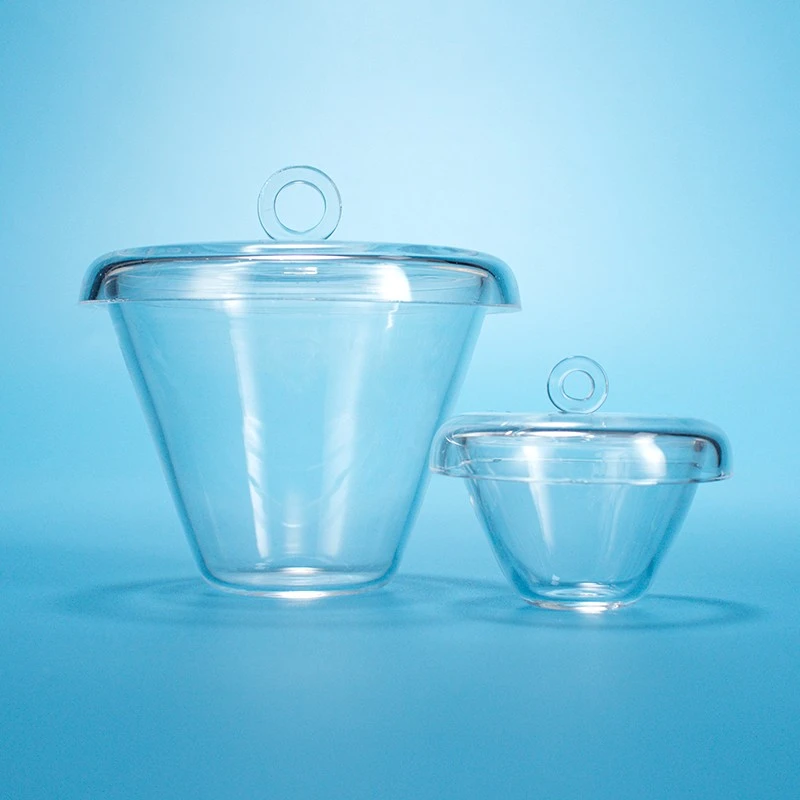

- Store Properly: Store the beaker in a clean, dry place away from direct sunlight and other sources of heat. You can use a protective case or rack to prevent it from getting scratched or damaged.
- Handle with Care: When handling the beaker, always use clean, dry hands or wear gloves to avoid leaving fingerprints or other marks on the surface. Avoid dropping or banging the beaker as it can cause new scratches or cracks.
- Clean Regularly: Clean the beaker regularly using a mild detergent and distilled water. This will help prevent the buildup of dirt and chemical residues, which can dull the polished finish over time.
Common Mistakes to Avoid
- Using Abrasive Materials: Avoid using abrasive materials such as steel wool or rough - grit sandpaper to clean or polish the quartz beaker. These materials can cause deep scratches and permanently damage the surface.
- Applying Too Much Pressure: Applying excessive pressure during the polishing process can lead to uneven polishing and may even crack the beaker. Always use light, even pressure and let the polishing compound do the work.
- Not Rinsing Thoroughly: Failing to rinse the beaker thoroughly after polishing can leave behind polishing compound residues, which can affect the beaker's performance and appearance. Make sure to rinse the beaker several times with distilled water to remove all the residues.
Conclusion
Polishing a quartz beaker is a skill that can be mastered with practice. By following the steps outlined in this guide and using the right materials and techniques, you can restore your quartz beaker to its original shine and functionality. As a supplier of high - quality quartz beakers, we are committed to providing you with the best products and information to meet your laboratory needs.
If you have any questions about polishing quartz beakers or are interested in purchasing our products, please feel free to contact us for further discussion. We look forward to serving you and helping you find the perfect laboratory glassware solutions.
References
- "Handbook of Laboratory Glassware: Properties and Handling"
- "Quartz Materials in Laboratory Applications"


