

What are the best practices for evaporating solvents in a quartz beaker?
Leave a message

Evaporating solvents in a quartz beaker is a common procedure in many scientific and industrial settings. As a supplier of high - quality quartz beakers, I've seen firsthand the importance of getting this process right. In this blog, I'll share some of the best practices for evaporating solvents in a quartz beaker.
Understanding Quartz Beakers
First off, let's talk a bit about quartz beakers. Quartz is an amazing material for laboratory glassware. It has excellent thermal resistance, which means it can handle high temperatures without cracking or breaking easily. It's also chemically inert, so it won't react with most solvents. This makes it a top choice for solvent evaporation.
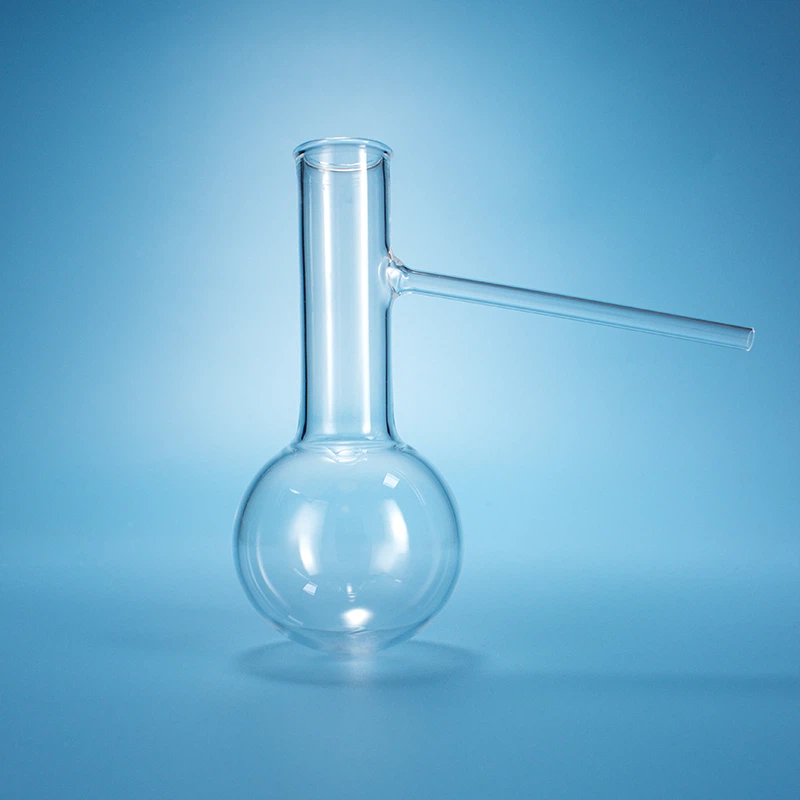
If you're in the market for other quartz lab equipment, we also offer Quartz Distilling Flask, Quartz Test Tube, and Quartz Condenser Tube. These products work great in conjunction with quartz beakers for various distillation and evaporation processes.
Pre - Evaporation Checks
Before you start evaporating the solvent, there are a few things you need to do. First, inspect the quartz beaker for any cracks or chips. Even a small defect can cause the beaker to break during the heating process, which can be dangerous and also ruin your experiment.
Next, clean the beaker thoroughly. Residues from previous experiments can contaminate your current solvent and affect the results. Use a suitable cleaning agent, like a mild detergent, and rinse it well with distilled water. Make sure to dry the beaker completely before adding the solvent.
Choosing the Right Solvent
Not all solvents are created equal when it comes to evaporation in a quartz beaker. Some solvents have high boiling points and require more energy to evaporate, while others are more volatile. You need to know the properties of the solvent you're using, such as its boiling point, flash point, and toxicity.
For example, if you're dealing with a highly flammable solvent, you need to take extra precautions. Work in a well - ventilated area and use a heating source that won't cause ignition. On the other hand, solvents with high boiling points may need a more powerful heat source or a longer evaporation time.
Heating the Solvent
There are several ways to heat the solvent in a quartz beaker. One common method is using a hot plate. When using a hot plate, place the beaker on a heat - resistant mat to ensure even heating. Start with a low temperature and gradually increase it. This helps prevent the solvent from boiling too vigorously, which can cause splashing and loss of the sample.

Another option is using a Bunsen burner. If you choose this method, make sure to use a wire gauze between the burner and the beaker. The wire gauze helps distribute the heat evenly and prevents direct contact between the flame and the beaker, which could cause thermal shock.
During the heating process, stir the solvent gently. This helps speed up the evaporation by bringing fresh solvent to the surface. You can use a glass stirring rod for this purpose. Just be careful not to scratch the inside of the quartz beaker, as scratches can weaken the beaker over time.
Monitoring the Evaporation
Keep a close eye on the solvent as it evaporates. You can use a thermometer to monitor the temperature of the solvent. This is especially important if you're trying to reach a specific evaporation point or if you're working with a solvent that has a narrow boiling range.
As the solvent evaporates, you may notice that the volume decreases. You can mark the level of the solvent on the beaker at the beginning and periodically check how much has evaporated. This gives you an idea of how far along the process is.
Safety Precautions
Safety should always be your top priority when evaporating solvents in a quartz beaker. Wear appropriate personal protective equipment (PPE), such as safety goggles, gloves, and a lab coat. The fumes from the evaporating solvent can be harmful, so work in a fume hood if possible.
If the solvent catches fire, have a fire extinguisher nearby. Make sure you know how to use it properly. Also, be aware of the potential for spills. In case of a spill, clean it up immediately using the appropriate spill - clean - up materials.
Post - Evaporation Steps
Once the solvent has evaporated to the desired level, turn off the heat source. Let the beaker cool down gradually. Quartz beakers can retain heat for a long time, so don't try to handle it right away.
After the beaker has cooled, you can remove the remaining residue if needed. Depending on the nature of the residue, you may need to use a specific cleaning method. Some residues can be removed with a simple rinse, while others may require more aggressive cleaning agents.
Storing the Quartz Beaker
Proper storage of the quartz beaker is also important. Store it in a clean, dry place. You can use a storage rack to keep it upright and prevent it from getting damaged. Avoid storing it in areas where it can be knocked over or exposed to extreme temperatures.
Troubleshooting
Sometimes, things don't go as planned during the evaporation process. If you notice that the solvent is boiling too vigorously, reduce the heat. If the beaker starts to crack, turn off the heat immediately and let it cool down. Then, discard the beaker safely and start over with a new one.
If the evaporation is taking too long, check the heat source. Make sure it's providing enough heat. You may also need to stir the solvent more frequently to speed up the process.
Conclusion
Evaporating solvents in a quartz beaker is a delicate process that requires careful planning and execution. By following these best practices, you can ensure a successful evaporation process and get accurate results.
If you're interested in purchasing high - quality quartz beakers or other quartz laboratory glassware, we're here to help. We offer a wide range of products that are suitable for various scientific and industrial applications. Contact us to start a procurement discussion and find the right products for your needs.
References
- "Laboratory Techniques in Organic Chemistry" by Mohrig, et al.
- "Handbook of Laboratory Safety" by Bretherick.


