

What is the difference between a test tube and a culture tube in laboratory glassware?
Leave a message

Hey there, fellow lab enthusiasts! As a supplier of laboratory glassware, I've been asked about the differences between test tubes and culture tubes more times than I can count. So, I thought I'd sit down and write a blog post to clear up any confusion.
Let's start with the basics. Both test tubes and culture tubes are cylindrical pieces of glassware used in laboratories. They're open at one end and closed at the other, and they come in a variety of sizes. But that's where the similarities end.
Shape and Size
Test tubes are typically smaller and have a uniform diameter from top to bottom. They're usually around 10 - 20 mm in diameter and 50 - 200 mm in length. This shape makes them great for holding small amounts of liquid or solid samples for testing purposes. You can easily mix, heat, or centrifuge the contents of a test tube without much hassle.
On the other hand, culture tubes are often a bit larger and may have a slightly tapered shape at the bottom. They can range from 16 - 25 mm in diameter and 120 - 200 mm in length. The tapered bottom helps to collect cells or sediment at the bottom of the tube, which is useful when you're growing cultures.
Purpose
The main difference between the two lies in their intended use. Test tubes are mainly used for chemical reactions, qualitative and quantitative analysis, and general sample storage. You might use a test tube to mix two chemicals together to see if a reaction occurs, or to hold a sample for a colorimetric test.
Culture tubes, as the name suggests, are designed for growing and maintaining cell cultures. They're often used in microbiology, cell biology, and biotechnology. The larger size and tapered bottom provide a better environment for cells to grow and settle. You can add culture media, antibiotics, and other supplements to the tube to support the growth of bacteria, fungi, or mammalian cells.
Closure
Another difference is in the type of closure used. Test tubes can be sealed with a variety of closures, including rubber stoppers, plastic caps, or glass stoppers. These closures are designed to prevent contamination and evaporation of the sample.
Culture tubes, however, usually have a special type of closure called a screw cap or a vented cap. Screw caps provide a tight seal to prevent contamination, while vented caps allow for gas exchange. Gas exchange is crucial for cell growth, as cells need oxygen to survive and produce carbon dioxide as a waste product.
Material
Both test tubes and culture tubes can be made from different types of glass, such as borosilicate glass or quartz glass. Borosilicate glass is the most common choice because it's resistant to thermal shock and chemical corrosion. It can withstand high temperatures and is suitable for most laboratory applications.
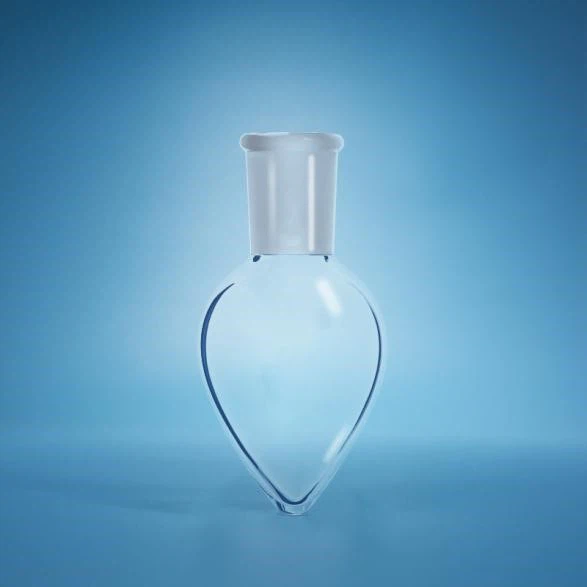
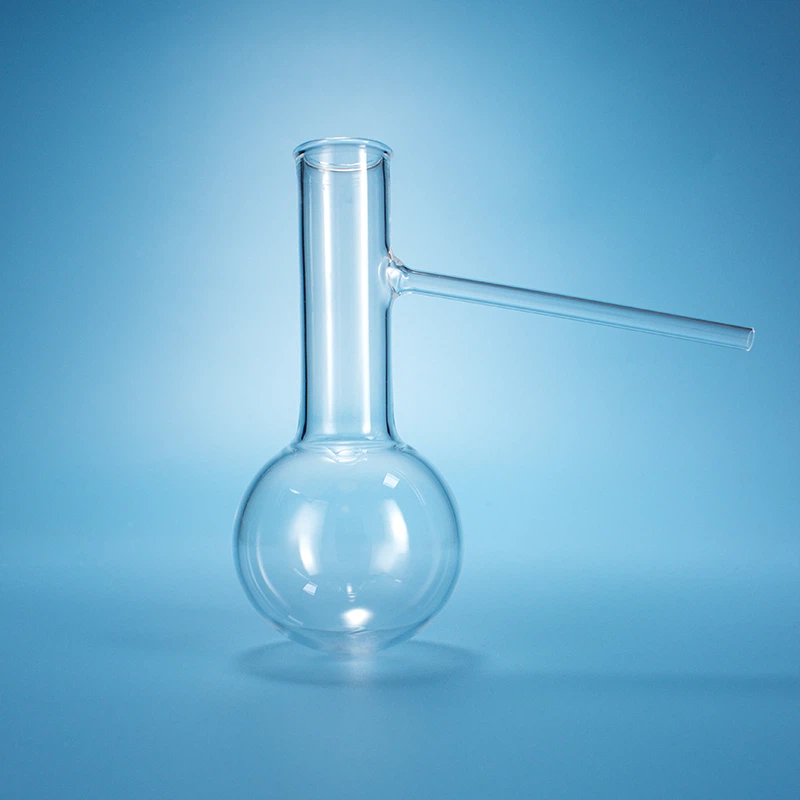
Quartz glass, on the other hand, is more expensive but has some unique properties. It's highly transparent to ultraviolet light, which makes it ideal for applications that require UV light exposure, such as DNA analysis or photochemical reactions. If you're interested in quartz glassware, you might want to check out our Quartz Pear - Shaped Flask, Quartz Distilling Flask, and Quartz Watch Glasses.
Sterilization
Sterilization is an important aspect of laboratory work, especially when dealing with cell cultures. Both test tubes and culture tubes need to be sterilized before use to prevent contamination. Test tubes can be sterilized by autoclaving, dry heat sterilization, or chemical sterilization.
Culture tubes, however, usually require more rigorous sterilization methods. Autoclaving is the most common method, as it can effectively kill all forms of microbial life, including spores. Some culture tubes are also pre - sterilized and come in a sterile packaging, which saves time and effort.
Cost
In general, test tubes are less expensive than culture tubes. This is because they're simpler in design and don't require the same level of precision and quality control as culture tubes. However, the cost can vary depending on the size, material, and quantity of the tubes you're purchasing.
So, there you have it! The main differences between test tubes and culture tubes. Whether you're a student, a researcher, or a lab technician, understanding these differences can help you choose the right glassware for your experiments.
If you're in the market for high - quality laboratory glassware, including test tubes and culture tubes, we've got you covered. We offer a wide range of glassware products at competitive prices. Our products are made from the highest quality materials and are designed to meet the needs of modern laboratories.
Don't hesitate to reach out if you have any questions or if you're interested in placing an order. We're here to help you find the perfect glassware for your research.
References
- "Laboratory Glassware: A Comprehensive Guide" by John Smith
- "Microbiology Laboratory Techniques" by Jane Doe
- "Cell Culture Basics" by Robert Johnson


