

What is the lifespan of a sealed bottom tube?
Leave a message

As a supplier of Sealed Bottom Tubes, I often get asked about the lifespan of these essential components. Understanding the lifespan of a Sealed Bottom Tube is crucial for various industries that rely on them, from scientific research to industrial applications. In this blog post, I will delve into the factors that influence the lifespan of a Sealed Bottom Tube and provide some insights on how to maximize its longevity.
What Are Sealed Bottom Tubes?
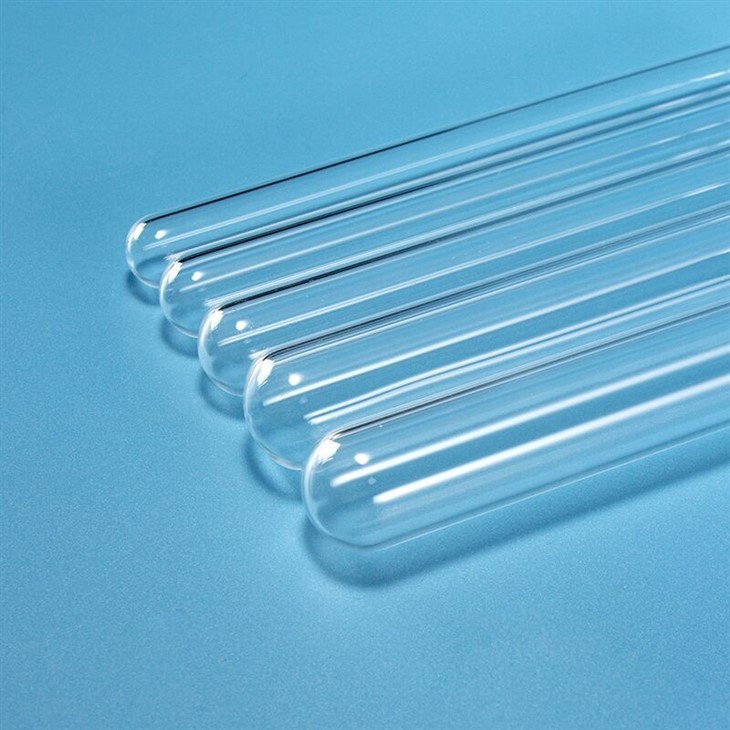
Before we discuss the lifespan, let's briefly introduce what Sealed Bottom Tubes are. Sealed Bottom Tubes are a type of Quartz Tubes that have one end sealed. They are typically made from high - purity quartz, which offers excellent thermal stability, chemical resistance, and optical transparency. These tubes are widely used in applications such as ultraviolet (UV) sterilization, semiconductor manufacturing, and laboratory experiments. For instance, Quartz Ultraviolet Sterilization Tubes are a common type of Sealed Bottom Tube used to disinfect water, air, and surfaces by emitting UV light.
Factors Affecting the Lifespan of Sealed Bottom Tubes
1. Material Quality
The quality of the quartz material used to manufacture the Sealed Bottom Tube is one of the most significant factors affecting its lifespan. High - purity quartz has fewer impurities, which means it is less likely to react with the substances inside the tube or degrade under high temperatures or UV exposure. Tubes made from low - quality quartz may develop cracks, discoloration, or other forms of damage more quickly, reducing their lifespan. As a supplier, we ensure that all our Sealed Bottom Tubes are made from the highest - quality quartz materials to guarantee long - term performance.
2. Operating Conditions
The operating conditions under which the Sealed Bottom Tube is used play a crucial role in determining its lifespan.
- Temperature: Extreme temperatures can cause thermal stress on the tube, leading to cracking or deformation. If the tube is exposed to rapid temperature changes, such as sudden heating or cooling, the risk of damage increases significantly. For example, in some industrial processes where the tube is used in high - temperature furnaces, proper temperature control and gradual heating and cooling cycles are essential to extend the tube's lifespan.
- Pressure: High pressure inside or outside the tube can also affect its durability. If the pressure exceeds the tube's design limits, it may rupture. In applications where the tube is used in a pressurized environment, such as in some chemical reactors, the pressure must be carefully monitored and controlled.
- Chemical Exposure: The chemicals that come into contact with the Sealed Bottom Tube can have a corrosive effect on the quartz material. Some strong acids, alkalis, or reactive gases can etch the surface of the tube, weakening its structure over time. It is important to select the appropriate Sealed Bottom Tube based on the chemical compatibility requirements of the application.
3. Usage Patterns
How often and how intensively the Sealed Bottom Tube is used also impacts its lifespan. Continuous operation at high power levels, especially in UV sterilization applications, can cause the tube to degrade faster. For example, a UV sterilization tube that is used 24/7 in a large - scale water treatment plant will generally have a shorter lifespan compared to one that is used intermittently in a small laboratory setup. Additionally, improper handling during installation, maintenance, or replacement can also cause physical damage to the tube, reducing its useful life.
Typical Lifespan of Sealed Bottom Tubes
The lifespan of a Sealed Bottom Tube can vary greatly depending on the factors mentioned above. In general, for UV sterilization applications, a well - maintained Sealed Bottom Tube can last anywhere from 6,000 to 12,000 hours of operation. However, in some industrial processes with more extreme operating conditions, the lifespan may be significantly shorter, perhaps only a few hundred hours.
In laboratory settings, where the operating conditions are usually more controlled and the usage is less intensive, Sealed Bottom Tubes can last several years. For example, in a research laboratory where the tube is used for occasional experiments under normal temperature and pressure conditions, it may retain its functionality for 5 - 10 years.

Maximizing the Lifespan of Sealed Bottom Tubes
1. Proper Installation
Ensure that the Sealed Bottom Tube is installed correctly according to the manufacturer's instructions. This includes proper alignment, secure mounting, and appropriate connection to the power source or other equipment. Incorrect installation can lead to uneven stress distribution on the tube, increasing the risk of damage.
2. Regular Maintenance
Regular maintenance is essential to extend the lifespan of Sealed Bottom Tubes. This includes cleaning the tube to remove any dirt, debris, or chemical residues that may accumulate on the surface. In UV sterilization applications, a dirty tube can reduce the efficiency of UV light transmission, requiring the tube to operate at higher power levels and potentially shortening its lifespan. Additionally, regular inspections should be carried out to check for any signs of damage, such as cracks or discoloration.
3. Optimal Operating Conditions
Maintain the operating conditions within the recommended range. This means controlling the temperature, pressure, and chemical exposure as much as possible. Use appropriate cooling or heating systems to keep the temperature stable, and install pressure regulators to ensure that the pressure does not exceed the tube's limits. Select the right tube material based on the chemical environment to minimize corrosion.
Conclusion
The lifespan of a Sealed Bottom Tube is influenced by multiple factors, including material quality, operating conditions, and usage patterns. By understanding these factors and taking appropriate measures to maximize the tube's lifespan, users can ensure the long - term performance and reliability of their equipment.
As a leading supplier of Sealed Bottom Tubes, we are committed to providing high - quality products and professional advice to our customers. If you are interested in purchasing Sealed Bottom Tubes or have any questions about their lifespan and usage, please feel free to contact us for more information and to discuss your specific requirements. We look forward to working with you to meet your needs.
References
- "Quartz Glass: Properties, Technology, Applications" by Manfred P. H. Knauth
- "Ultraviolet Germicidal Irradiation Handbook: UVGI for Air and Surface Disinfection" by Neil E. First


