

What safety measures should I take when using glassware with sharp edges?
Leave a message

Hey there! As a supplier of laboratory glassware, I've seen my fair share of glass items with sharp edges. Whether you're a seasoned scientist, a student just starting out in the lab, or someone who uses glassware in other settings, safety should always be your top priority. In this blog post, I'm gonna share some safety measures you should take when using glassware with sharp edges.
Inspect Before Use
Before you even think about using any glassware with sharp edges, give it a good once - over. Look for cracks, chips, or any signs of damage. A small crack can turn into a big problem real fast, especially when you're dealing with sharp edges. Even a tiny chip can cause you to cut yourself if you're not careful.
For example, if you're using Kjeldahl Flasks, check the neck and the base of the flask. These areas are often more prone to damage. If you notice any issues, don't use the glassware. Instead, set it aside for proper disposal or repair.
Wear Appropriate Protective Gear
Wearing the right protective gear is a no - brainer when working with glassware that has sharp edges. Gloves are an absolute must. Opt for thick, puncture - resistant gloves that can withstand the sharpness of the glass. Nitrile gloves are a popular choice in labs, but if you're dealing with really sharp edges, you might want to consider Kevlar - lined gloves.
In addition to gloves, safety goggles are essential. Glass shards can fly off if the glassware breaks unexpectedly, and you don't want those getting into your eyes. A lab coat can also provide an extra layer of protection for your skin and clothes.
Handle with Care
When you're handling glassware with sharp edges, be as gentle as possible. Avoid sudden movements or impacts that could cause the glass to break. Hold the glassware firmly but not too tightly. If you grip it too hard, you might actually increase the risk of breakage.
For Quartz Reagent Bottle, make sure you're holding it by the body of the bottle rather than the neck, especially if the neck has a sharp edge. When pouring liquids from the bottle, do it slowly and steadily to prevent any splashing or spills that could lead to breakage.
Store Properly
Proper storage of glassware with sharp edges is just as important as handling it safely. Store the glassware in a secure place where it won't be knocked over or bumped into. Use racks or cabinets specifically designed for glassware storage.
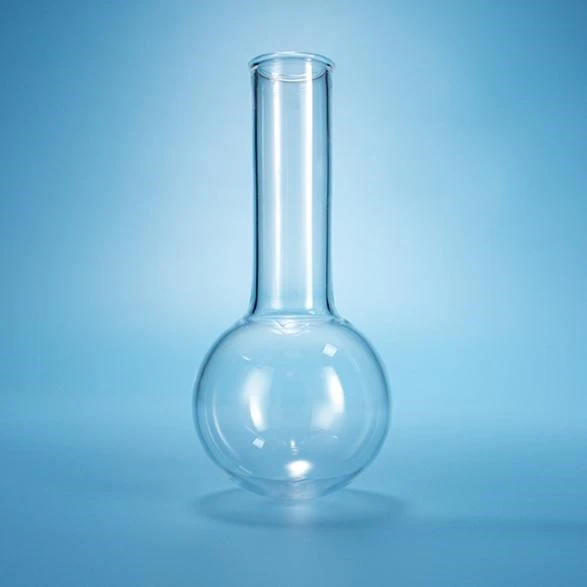

If you have multiple pieces of glassware with sharp edges, make sure they're not touching each other. You can use dividers or padding to separate them. For instance, Quartz Square Cylinder should be stored upright in a rack with enough space between each cylinder to prevent any accidental contact.
Clean Safely
Cleaning glassware with sharp edges requires extra caution. First, make sure the glassware is completely cool if it has been heated. Hot glass can shatter when it comes into contact with cold water.
Use a soft brush and mild detergent to clean the glassware. Avoid using abrasive materials that could scratch the glass and make the edges even sharper. When rinsing the glassware, hold it under a gentle stream of water to prevent any splashing or breakage.
Dispose of Broken Glassware Correctly
Accidents happen, and sometimes glassware with sharp edges will break. When this occurs, don't just sweep it up with a regular broom. Broken glass can easily pierce through the bristles and cause injury.
Use a dustpan and brush specifically designated for broken glass cleanup. Place the broken glass in a puncture - resistant container, such as a cardboard box lined with a plastic bag. Label the container clearly as "Broken Glass" and dispose of it according to your local regulations.
Train Your Team
If you're working in a lab or a workplace where multiple people use glassware with sharp edges, make sure everyone is properly trained on safety measures. Provide regular safety training sessions and make sure all employees or team members are aware of the potential hazards and how to avoid them.
Encourage open communication about safety. If someone notices a problem with the glassware or has a suggestion for improving safety, make sure they feel comfortable sharing it.
Have a First - Aid Kit on Hand
No matter how careful you are, there's always a small risk of getting cut when using glassware with sharp edges. That's why it's important to have a well - stocked first - aid kit nearby. Make sure the first - aid kit includes items like bandages, antiseptic wipes, and tweezers for removing any small glass fragments.
Know how to use the first - aid kit properly. Everyone in the lab or workplace should be familiar with basic first - aid procedures for cuts and injuries.
Regularly Check and Maintain Your Glassware
Don't just assume that your glassware will stay in good condition forever. Regularly check your glassware for signs of wear and tear, especially the sharp edges. If you notice any changes in the condition of the glassware, take appropriate action.
Some glassware may need to be polished or re - edged over time to maintain its safety. If you're not sure how to do this, consult with a professional or the manufacturer of the glassware.
Conclusion
Using glassware with sharp edges can be dangerous, but by following these safety measures, you can significantly reduce the risk of injury. Remember to inspect your glassware before use, wear appropriate protective gear, handle it with care, store it properly, clean it safely, and dispose of broken glassware correctly.
As a laboratory glassware supplier, I'm committed to providing high - quality glassware that meets safety standards. If you're in the market for new glassware, whether it's Kjeldahl Flasks, Quartz Reagent Bottle, or Quartz Square Cylinder, feel free to reach out. We can offer you a wide range of options and ensure that you get the best products for your needs. Contact us to start a purchase negotiation, and let's work together to keep your lab or workspace safe and productive.
References
- Laboratory Safety Guidelines, Occupational Safety and Health Administration (OSHA)
- Best Practices for Handling Glassware in Laboratories, National Institute for Occupational Safety and Health (NIOSH)


