

What should be done before reusing a quartz beaker?
Leave a message

Hey there! As a supplier of quartz beakers, I've seen firsthand how important it is to properly prepare these lab essentials before reuse. Quartz beakers are a staple in many scientific labs, known for their high heat resistance, chemical inertness, and excellent transparency. But before you can use them again, there are a few key steps you need to take.
Step 1: Initial Inspection
The first thing you should do is give your quartz beaker a thorough once - over. Look for any visible cracks, chips, or scratches on the surface. Even a tiny crack can compromise the integrity of the beaker, especially when it's exposed to high temperatures or chemicals. If you find any damage, it's best to retire the beaker. Using a damaged beaker can lead to inaccurate results and, in some cases, pose a safety risk.
After checking for physical damage, take a look at the inside of the beaker. Are there any residues or contaminants left from the previous use? This could be anything from dried chemicals to biological samples. Identifying the type of residue is crucial as it will determine the cleaning method you'll need to use.
Step 2: Pre - Cleaning Rinse
Once you've inspected the beaker, it's time for a pre - cleaning rinse. Start by filling the beaker with warm tap water. This will help to loosen and remove any loose debris or large particles. Gently swirl the water around inside the beaker for a few seconds, then pour it out. You can repeat this process a couple of times until the water runs clear.
If the residue is particularly stubborn, you might want to add a small amount of mild detergent to the water. Make sure to use a detergent that is safe for use with quartz. Avoid using abrasive cleaners or scouring pads as these can scratch the surface of the beaker.
Step 3: Soaking
For more stubborn residues, soaking the beaker is often necessary. You can create a soaking solution depending on the type of residue. For organic residues, a solution of acetone or ethanol can be effective. Just make sure to work in a well - ventilated area as these solvents can be flammable and toxic.
If the residue is inorganic, such as salts or metal oxides, a diluted acid solution might be needed. Hydrochloric acid or nitric acid are commonly used, but make sure to use them with extreme caution. Always add acid to water, not the other way around, and wear appropriate safety gear like gloves and goggles.
Place the beaker in the soaking solution and let it sit for a few hours or even overnight, depending on how stubborn the residue is. Check on it periodically to see if the residue is starting to come off.
Step 4: Scrubbing (If Necessary)
After soaking, if there are still some residues left, you can gently scrub the beaker. Use a soft - bristled brush, like a laboratory brush designed for glassware. Be careful not to apply too much pressure as you don't want to scratch the quartz. Focus on the areas where the residue is most concentrated.
Step 5: Thorough Rinsing
Once you've removed all the residues, it's time for a thorough rinse. Use deionized water to rinse the beaker at least three to four times. This will help to remove any remaining traces of the cleaning solution or contaminants. Make sure to rinse the inside and outside of the beaker, as well as the rim.
Step 6: Drying
After rinsing, you need to dry the beaker. You can let it air dry by placing it upside down on a clean, dry surface. This allows any remaining water to drain out. If you're in a hurry, you can use a clean, lint - free cloth to gently pat the beaker dry. Avoid using paper towels as they can leave behind fibers.

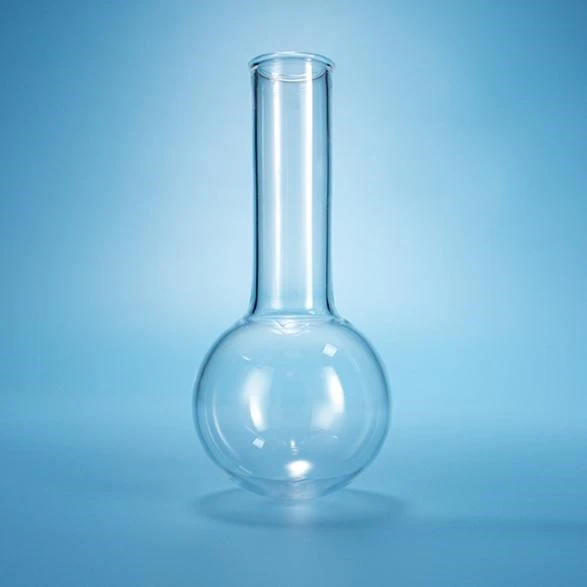
Step 7: Final Inspection
Before putting the beaker back into use, give it one last inspection. Look for any remaining residues or signs of damage. If everything looks good, your quartz beaker is ready to be reused.
Related Products
If you're in the market for other laboratory glassware, we also offer Quartz Petri Culture Dishes, Kjeldahl Flasks, and Quartz Test Tube. These products are made from high - quality quartz and are designed to meet the needs of your scientific research.
Contact for Purchase
If you're interested in purchasing quartz beakers or any of our other laboratory glassware products, feel free to reach out. We're always happy to discuss your requirements and provide you with the best solutions for your lab. Whether you're a small research lab or a large industrial facility, we've got the products and expertise to meet your needs.
References
- "Laboratory Glassware: Care and Use" by Laboratory Supplies Association
- "Quartz Glass: Properties and Applications" by Glass Science Journal


