

What textile applications can Quartz Ingot be used for?
Leave a message

Hey there! As a supplier of Quartz Ingot, I'm super excited to chat with you about its amazing textile applications. Quartz Ingot is a pretty cool material, and it has a lot more uses in the textile world than you might think.
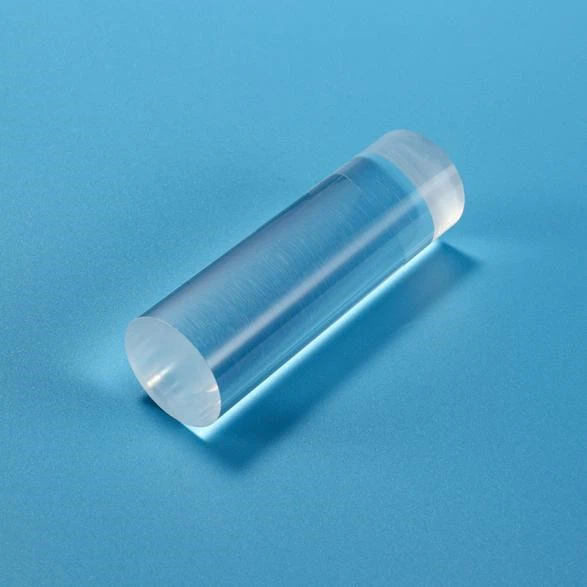

First off, let's talk a bit about what Quartz Ingot is. It's a high - quality form of quartz, which is a mineral that's found all over the place. It's known for its purity, hardness, and excellent thermal and electrical properties. These features make it a great candidate for various textile applications.
One of the main textile applications of Quartz Ingot is in the production of high - performance fibers. You see, when Quartz Ingot is processed into a fine powder, it can be incorporated into the polymer matrix during the fiber - spinning process. This results in fibers that have enhanced strength and durability. For example, in the production of industrial textiles used in conveyor belts, ropes, and safety nets, these quartz - enhanced fibers can withstand a lot of wear and tear. They can handle high - stress situations without breaking easily, which is crucial in industrial settings.
Another area where Quartz Ingot shines in the textile industry is in the creation of heat - resistant fabrics. Textiles made with quartz - based fibers can resist high temperatures, making them ideal for use in protective clothing. Firefighters, welders, and workers in high - temperature industrial environments can benefit from these fabrics. The Quartz Ingot helps the fabric to maintain its integrity even when exposed to extreme heat, reducing the risk of burns and injuries.
Quartz Ingot can also be used to make textiles with anti - static properties. In some industries, like electronics manufacturing, static electricity can cause serious problems. It can damage sensitive electronic components. By using quartz - enhanced textiles, the static charge can be dissipated, creating a safer working environment. These anti - static fabrics are also used in cleanrooms, where any form of contamination, including static - induced dust attraction, needs to be minimized.
Now, let's get into the nitty - gritty of how Quartz Ingot is transformed into these useful textile components. The first step is to turn the Quartz Ingot into a more workable form. It can be crushed and ground into a fine powder. This powder is then mixed with polymers or other textile materials. There are different techniques for doing this, depending on the specific application. Sometimes, it's mixed directly into the polymer melt before spinning the fibers. Other times, it can be applied as a coating on the surface of existing fibers.
When it comes to sourcing the right Quartz Ingot for textile applications, quality is key. As a supplier, I make sure that the Quartz Ingot I offer is of the highest purity. Impurities can affect the performance of the final textile product. For instance, if there are impurities in the Quartz Ingot, it might not blend well with the polymer, leading to weak spots in the fibers.
If you're in the textile business and looking for a reliable source of Quartz Ingot, you're in the right place. I've been in this industry for a while, and I know what it takes to provide high - quality materials. I can offer you Quartz Ingot that meets your specific requirements, whether you need it for heat - resistant fabrics, high - strength fibers, or anti - static textiles.
Now, let me tell you a bit about some related products. The Raw Material Of Quartz Plate is another great option if you're looking for materials with similar properties. Quartz plates can be used in some high - tech textile manufacturing processes, providing a stable surface for certain treatments.
Quartz Sand is also an important material. It can be used in combination with Quartz Ingot in some textile applications. The sand can be used as a filler or abrasive in certain textile finishing processes.
And then there's the Quartz Rod. While not directly used in textiles, it's part of the quartz product family. Quartz rods are used in various industrial processes that support the textile industry, such as in the production of equipment used for fiber spinning.
If you're interested in learning more about how Quartz Ingot can be used in your textile production, or if you want to place an order, don't hesitate to reach out. I'm always happy to have a chat and answer any questions you might have. Whether you're a small - scale textile manufacturer or a large - scale industrial player, I can work with you to meet your needs.
In conclusion, Quartz Ingot has a wide range of applications in the textile industry. From enhancing the strength of fibers to providing heat resistance and anti - static properties, it's a versatile material that can take your textile products to the next level. So, if you're looking for a way to improve the performance of your textiles, consider using Quartz Ingot. And remember, I'm here as your reliable supplier to make sure you get the best quality material for your needs.
References
- Textile Technology Handbook, various authors
- Industrial Minerals in Textile Applications, industry research report


