

Are there any regulations regarding the use of conical flasks in laboratories?
Leave a message

Are there any regulations regarding the use of conical flasks in laboratories? Well, you bet there are! As a conical flask supplier, I've seen firsthand how important it is to follow the rules when it comes to using these handy pieces of lab equipment.
First off, let's talk about what a conical flask is. It's a type of laboratory glassware with a flat bottom, a conical body, and a narrow neck. They're used for all sorts of things, like mixing, heating, and storing liquids. You'll find them in just about every lab, from high school science classrooms to big research facilities.
Now, onto the regulations. There are several key areas where rules apply to the use of conical flasks. One of the most important is safety. Labs are full of potentially dangerous chemicals and processes, so it's crucial to use equipment in a way that minimizes risk. For example, when heating a conical flask, you need to make sure it's properly supported. You can't just plop it on a hot plate and hope for the best. Most labs require the use of a tripod and a wire gauze to distribute the heat evenly and prevent the flask from cracking.
Another safety concern is the type of liquid you're using. Some chemicals are highly reactive or corrosive, and they can damage the glass of the conical flask. Before using a flask, you should always check the compatibility of the liquid with the glass material. If you're working with something really nasty, like concentrated acids or bases, you might need to use a special type of glass or a coated flask.
Cleaning is also a big deal. After each use, conical flasks should be thoroughly cleaned to prevent cross - contamination. This usually involves rinsing the flask with distilled water, followed by a more intensive cleaning with a suitable detergent. In some cases, you might even need to sterilize the flask, especially if you're working in a microbiology or pharmaceutical lab.
Storage is yet another area with regulations. Conical flasks should be stored in a clean, dry place. They should be stacked carefully to avoid breakage. And if you're storing flasks with chemicals in them, you need to label them clearly with the name of the chemical, the date it was stored, and any relevant safety information.
Now, let's talk about the quality of the conical flasks themselves. As a supplier, I know that not all flasks are created equal. High - quality flasks are made from good - grade glass that can withstand a lot of wear and tear. They're also accurately calibrated, which is important if you're using the flask for measuring volumes. In many labs, there are standards for the accuracy of glassware, and conical flasks need to meet these standards.
When it comes to choosing the right conical flask for your lab, there are a few things to consider. The size is an obvious one. You'll need to pick a flask that's the right volume for your experiments. If you're doing small - scale reactions, a 50 - or 100 - milliliter flask might be sufficient. But if you're working on a larger project, you could need a 500 - milliliter or even a 1 - liter flask.
The shape of the flask can also matter. Some conical flasks have a wider base, which makes them more stable. Others have a narrower neck, which can be useful for minimizing evaporation or for using with a stopper.
If you're in the market for conical flasks, you might also be interested in other types of laboratory glassware. For example, you can check out Quartz Beaker. Quartz beakers are great for high - temperature applications because quartz can withstand much higher temperatures than regular glass.
Another option is the Quartz Square Cylinder. These are useful for specific types of experiments where a square shape might be more convenient.
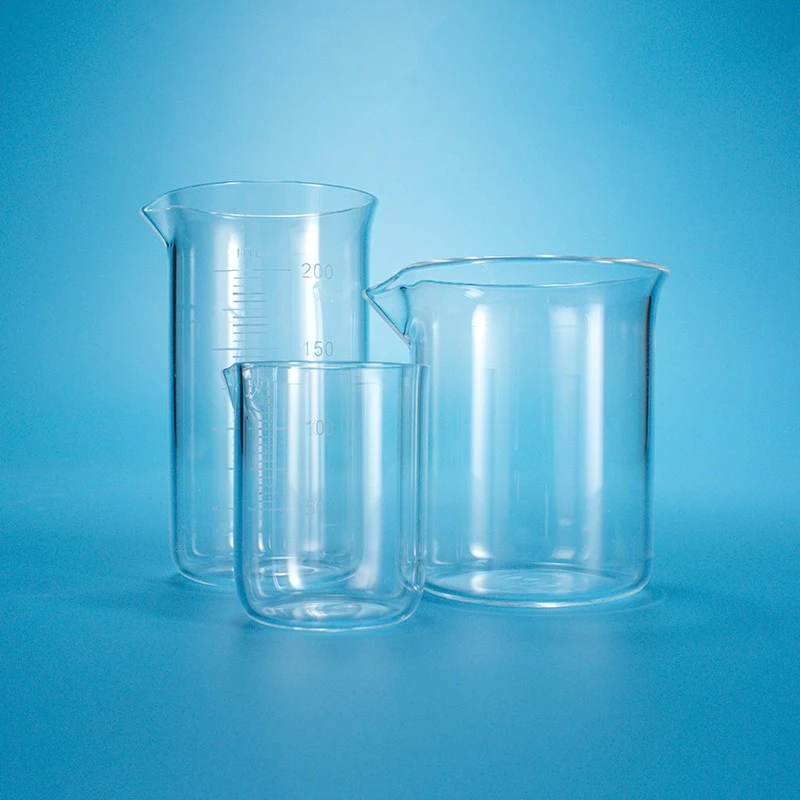

And if you need to evaporate liquids, the Quartz Evaporating Dish is a must - have. It's designed to handle the heat of evaporation without breaking.
So, as you can see, there are plenty of regulations and considerations when it comes to using conical flasks in laboratories. Whether you're a student just starting out in a science class or a seasoned researcher, following these rules is essential for accurate and safe experimentation.
If you're looking for high - quality conical flasks or other laboratory glassware, I'm here to help. I've been in the business for a while, and I know what it takes to supply reliable products. Whether you need a single flask for a small project or a large order for a big lab, I can work with you to meet your needs. Just reach out, and we can start a conversation about your requirements.
In conclusion, the use of conical flasks in laboratories is governed by a variety of regulations aimed at ensuring safety, accuracy, and efficiency. By following these rules and choosing the right flasks, you can make your lab work much more successful.
References:
- General laboratory safety guidelines from various educational institutions
- Standards for laboratory glassware issued by relevant scientific organizations


