

How to handle a quartz test tube to avoid breakage?
Leave a message

Quartz test tubes are essential tools in various scientific and laboratory settings due to their high chemical resistance, excellent thermal stability, and transparency. However, they are also fragile, and improper handling can lead to breakage, which not only results in the loss of the test tube but can also pose safety risks, such as cuts and exposure to hazardous substances. As a supplier of high - quality quartz test tubes, I understand the importance of proper handling. In this blog, I will share some valuable tips on how to handle a quartz test tube to avoid breakage.
Pre - handling Preparations
Before you even touch a quartz test tube, it is crucial to make the right preparations. First, ensure that your working area is clean and organized. Remove any clutter or sharp objects that could accidentally come into contact with the test tube. A clean workspace reduces the risk of the test tube being knocked over or scratched.
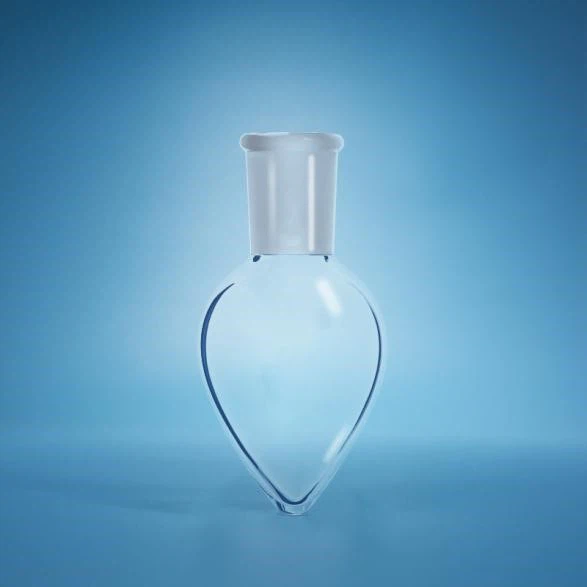

Inspect the test tube carefully for any visible cracks, chips, or flaws. Even a small imperfection can weaken the test tube and make it more prone to breakage during use. If you notice any damage, do not use the test tube; instead, set it aside for proper disposal or return it to the supplier if it is within the warranty period.
Wear appropriate personal protective equipment (PPE). Gloves are a must as they provide a better grip on the test tube and protect your hands from potential cuts in case of breakage. Safety goggles are also recommended, especially when working with chemicals or performing experiments that may cause splashes.
Picking Up and Holding the Test Tube
When picking up a quartz test tube, use a gentle yet firm grip. Hold the test tube near the top, about one - third of the way from the open end. This gives you better control over the test tube and reduces the stress on the lower part, which is more likely to break if excessive pressure is applied.
Avoid squeezing the test tube too tightly. Quartz is a brittle material, and excessive pressure can cause it to crack. Instead, use a relaxed hold that allows you to manipulate the test tube without applying unnecessary force. If you need to carry the test tube for a short distance, keep it upright to prevent any liquid inside from spilling and to maintain its balance.
Filling and Emptying the Test Tube
When filling a quartz test tube, use a funnel if necessary to prevent spills and splashes. Pour liquids slowly and steadily, aiming for the center of the test tube. Avoid pouring liquids too quickly, as this can cause the liquid to splash out and potentially damage the test tube. If you are adding solid substances, use a spatula or a scoop to transfer them gently into the test tube.
Do not overfill the test tube. Leave some space at the top to allow for expansion, especially if you are heating the test tube later. As a general rule, do not fill the test tube more than two - thirds full. When emptying the test tube, pour the contents slowly into an appropriate container. Tilt the test tube gradually to control the flow of the liquid.
Heating the Test Tube
Heating a quartz test tube requires extra caution. First, make sure the test tube is clean and dry before heating. Any moisture or contaminants on the outside of the test tube can cause uneven heating and lead to breakage.
Use a suitable heating source, such as a Bunsen burner or a hot plate. If using a Bunsen burner, adjust the flame to a gentle, blue flame. Hold the test tube at an angle of about 45 degrees to the flame. This allows for more even heating and reduces the risk of the liquid inside boiling over.
Move the test tube back and forth slowly over the flame to distribute the heat evenly. Do not heat the test tube in one spot for too long, as this can create a thermal gradient and cause the test tube to crack. If you need to heat the test tube for an extended period, use a wire gauze or a ceramic triangle to support the test tube and ensure more uniform heating.
Cooling the Test Tube
After heating, allow the test tube to cool down gradually. Do not place a hot test tube directly on a cold surface, as the sudden change in temperature can cause the test tube to crack. Instead, let the test tube cool in the air for a few minutes before handling it further. If you need to speed up the cooling process, you can use a heat - resistant rack or a wire mesh to support the test tube and allow air to circulate around it.
Storage of Quartz Test Tubes
Proper storage is also crucial for preventing breakage. Store quartz test tubes in a dedicated rack or container designed for test tubes. Make sure the rack is stable and secure to prevent the test tubes from falling over.
Keep the test tubes away from direct sunlight and extreme temperatures. High temperatures can cause the test tube to expand, and low temperatures can make it more brittle. Store the test tubes in a cool, dry place with a relatively stable temperature.
Related Laboratory Glassware
In addition to quartz test tubes, there are other types of laboratory glassware that are commonly used in scientific research. For example, Graduated Measuring Cylinder is used for accurate measurement of liquid volumes. Kjeldahl Flasks are specifically designed for Kjeldahl analysis, a method for determining the nitrogen content in organic and inorganic substances. And Quartz Pear - Shaped Flask is often used in distillation and other chemical processes.
Conclusion
Proper handling of quartz test tubes is essential to avoid breakage and ensure the safety and efficiency of laboratory work. By following the tips mentioned above, you can minimize the risk of test tube breakage and extend the lifespan of your quartz test tubes.
As a supplier of high - quality quartz test tubes, we are committed to providing our customers with the best products and services. If you are interested in purchasing quartz test tubes or have any questions about their handling and use, please feel free to contact us for further discussion. We look forward to serving you and meeting your laboratory needs.
References
- "Laboratory Glassware Handling and Safety Guidelines", Laboratory Safety Manual, [Publisher's Name], [Year of Publication]
- "Properties and Applications of Quartz in Laboratory Equipment", Journal of Scientific Instrumentation, [Volume Number], [Year], [Pages]
- "Thermal Stress and Breakage in Quartz Test Tubes", International Journal of Glass Science and Technology, [Volume Number], [Year], [Pages]


