

Can blank material be welded?
Leave a message

Hey there! As a supplier of blank materials, I often get asked a bunch of questions. One of the most common ones is, "Can blank material be welded?" Well, let's dig into this topic and find out.
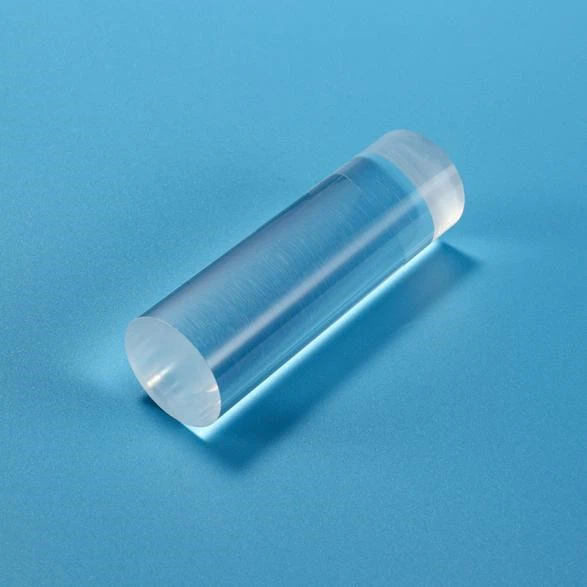
First off, what exactly are blank materials? Blank materials are the raw, unprocessed substances that are used to make all sorts of products. In my line of business, I deal with a variety of blank materials like Quartz Rod, Quartz Ingot, and Quartz Sand. These materials have different properties, and that plays a huge role in whether they can be welded or not.
Let's start with quartz materials. Quartz is a pretty amazing substance. It has high heat resistance, low thermal expansion, and excellent chemical stability. These properties make it a popular choice in many industries, from electronics to aerospace. But when it comes to welding, things get a bit tricky.
Welding Quartz Materials
Quartz rods and ingots, for example, can be welded, but it's not an easy feat. The process requires a high level of skill and specialized equipment. You see, quartz has a very high melting point. To weld quartz, you need to heat it up to extremely high temperatures, usually around 1700 - 2000 degrees Celsius. That's way hotter than what you'd need to weld most metals.
One of the most common methods for welding quartz is using a hydrogen - oxygen torch. This torch can generate the high temperatures needed to melt the quartz. When the quartz is heated to its melting point, the two pieces can be joined together. But there are a few things to watch out for.
During the welding process, any impurities in the quartz can cause problems. Even a tiny bit of dirt or dust can create bubbles or weak spots in the weld. So, the quartz has to be extremely clean before welding. Also, the cooling process is crucial. If the welded quartz cools too quickly, it can develop internal stresses, which might lead to cracking.
Quartz sand, on the other hand, can't be welded in the traditional sense. It's made up of tiny grains, and welding involves melting and fusing materials together. Since quartz sand is already in a granular form, you can't really "weld" it like you would a rod or an ingot. However, quartz sand can be used in other processes to create solid quartz products. For example, it can be melted in a furnace and then molded into different shapes.

Other Blank Materials and Welding
It's not just quartz materials that we need to consider. There are all sorts of other blank materials out there, like metals, ceramics, and plastics. Each of these has its own rules when it comes to welding.
Metals are probably the most well - known materials for welding. Different metals have different melting points and welding requirements. For example, aluminum has a relatively low melting point compared to steel. Welding aluminum requires a different technique and equipment than welding steel. You need to use a special welding wire and a specific welding process to get a good weld on aluminum.
Ceramics are another type of blank material. Some ceramics can be welded, but it's even more challenging than welding quartz. Ceramics are brittle and have poor thermal conductivity. This means that when you try to heat them up for welding, they can crack easily. Specialized techniques, like using lasers or high - energy electron beams, are often used to weld ceramics.
Plastics can also be welded, but the process is quite different from welding metals or ceramics. Plastic welding usually involves using heat or solvents to soften the plastic and then joining the pieces together. There are different types of plastic welding, such as hot air welding, ultrasonic welding, and friction welding.
Factors Affecting Weldability
There are several factors that affect whether a blank material can be welded or not. One of the most important factors is the material's melting point. As we've seen with quartz, a high melting point makes the welding process more difficult.
The chemical composition of the material also matters. Some materials contain elements that can react with the welding environment or with each other during the welding process. This can lead to the formation of unwanted compounds or defects in the weld.
Another factor is the material's physical properties, like its hardness, ductility, and thermal conductivity. Hard materials can be difficult to weld because they're more likely to crack under the stress of welding. Ductile materials, on the other hand, are more forgiving and can be more easily shaped during the welding process.
Why Welding Blank Materials is Important
Welding blank materials is important for a lot of reasons. In manufacturing, welding is used to join different parts together to create a single, functional product. For example, in the automotive industry, welding is used to assemble the body of a car. In the construction industry, welding is used to connect steel beams and other structural components.
In the electronics industry, welding is used to connect circuit boards and other electronic components. This allows for the creation of complex electronic devices that we use every day, like smartphones and laptops.
Conclusion
So, can blank material be welded? The answer is, it depends. Some blank materials, like certain metals and quartz rods and ingots, can be welded, but it requires the right skills, equipment, and conditions. Other materials, like quartz sand, can't be welded in the traditional sense but can be used in other processes to create useful products.
If you're in the market for blank materials and have questions about their weldability or any other aspect, don't hesitate to reach out. I'm here to help you figure out the best materials for your needs and provide you with top - quality products. Whether you're a small - scale manufacturer or a large - scale industrial company, I've got the blank materials you're looking for. Let's start a conversation and see how we can work together to meet your requirements.
References
- "Materials Science and Engineering: An Introduction" by William D. Callister Jr. and David G. Rethwisch
- "Welding Handbook" published by the American Welding Society


