

Can quartz sand be used in the production of batteries?
Leave a message

Quartz sand, a common and versatile mineral resource, has found its way into numerous industries due to its unique physical and chemical properties. As a quartz sand supplier, I am often asked about its potential applications in various fields, including battery production. In this blog post, I will explore whether quartz sand can be used in the production of batteries, examining the scientific basis, potential benefits, and current challenges.
Physical and Chemical Properties of Quartz Sand
Quartz sand is primarily composed of silicon dioxide (SiO₂), which is known for its high hardness, chemical stability, and electrical insulation properties. These characteristics make it an ideal material for many applications, such as glass manufacturing, foundry, and construction. Its high melting point and low thermal expansion coefficient also contribute to its durability and resistance to thermal shock.
Potential Applications of Quartz Sand in Battery Production
1. Separator Materials
In a battery, the separator is a crucial component that physically separates the anode and cathode while allowing the passage of ions. Quartz sand can potentially be used to produce separator materials. Its high chemical stability can prevent the separator from reacting with the electrolyte, thus extending the battery's lifespan. Additionally, the porous structure of quartz sand can be engineered to control the ion transport rate, which is essential for optimizing battery performance. For example, by adjusting the pore size and distribution of the quartz - based separator, the battery can achieve better charge - discharge efficiency.
2. Electrolyte Additives
Quartz sand can also be used as an additive in the electrolyte. When added in a controlled amount, it can improve the ionic conductivity of the electrolyte. The silicon dioxide in quartz sand can interact with the electrolyte components, facilitating the movement of ions between the electrodes. This can lead to enhanced battery power density and faster charging capabilities. Moreover, the chemical stability of quartz sand can help to maintain the integrity of the electrolyte over multiple charge - discharge cycles, reducing the risk of electrolyte degradation.
3. Anode and Cathode Coatings
Applying a thin coating of quartz sand on the anode or cathode can provide several benefits. The coating can act as a protective layer, preventing the electrodes from reacting with the electrolyte and other contaminants in the battery environment. This can improve the safety and stability of the battery. Additionally, the high hardness of quartz sand can enhance the mechanical strength of the electrodes, reducing the risk of electrode cracking during charge - discharge processes.

Current Research and Development
Although the potential of quartz sand in battery production is promising, current research is still in its early stages. Some research institutions and companies are actively exploring the use of quartz - based materials in different types of batteries, such as lithium - ion batteries and solid - state batteries. For example, in solid - state batteries, which are considered the next - generation energy storage devices, quartz - based separators and electrolytes are being investigated to overcome the limitations of traditional liquid electrolytes, such as leakage and flammability.
Challenges and Limitations
1. Purity Requirements
For battery applications, high - purity quartz sand is required. Impurities in quartz sand, such as metal ions and other trace elements, can have a negative impact on battery performance. These impurities can cause side reactions in the battery, leading to reduced capacity, shortened lifespan, and even safety issues. Therefore, additional purification processes are needed to obtain quartz sand with the required purity, which can increase the production cost.
2. Processing Complexity
Transforming quartz sand into suitable battery components is a complex process. For example, fabricating a quartz - based separator with the desired pore structure and mechanical properties requires advanced manufacturing techniques. The same applies to using quartz sand as an electrolyte additive or electrode coating. Developing cost - effective and scalable processing methods is still a major challenge in the industry.
3. Compatibility with Existing Battery Systems
Integrating quartz - based materials into existing battery manufacturing processes and systems can be difficult. Battery manufacturers have established production lines and quality control standards for traditional battery materials. Adopting new materials like quartz sand may require significant modifications to the production process, which can be time - consuming and costly.
Our Offerings as a Quartz Sand Supplier
As a quartz sand supplier, we are committed to providing high - quality quartz sand products that meet the strict requirements of battery production. We have advanced purification technologies to ensure the high purity of our quartz sand. Our products can be customized according to the specific needs of battery manufacturers, whether it is for separator materials, electrolyte additives, or electrode coatings.
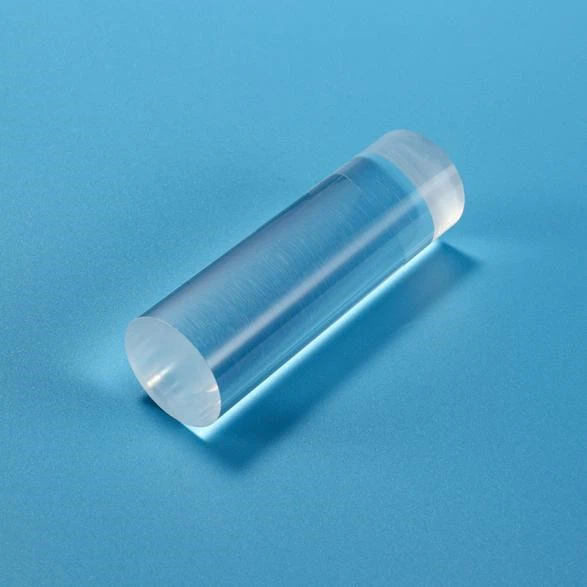
We also offer Quartz Rod, Raw Material Of Quartz Plate, and Quartz Ingot, which can be used in combination with quartz sand in battery - related research and development. These products have consistent quality and can be a valuable resource for battery manufacturers looking to explore new materials.
Conclusion
In conclusion, quartz sand has significant potential in battery production. Its unique physical and chemical properties make it suitable for various battery components, including separators, electrolyte additives, and electrode coatings. However, there are still challenges to overcome, such as purity requirements, processing complexity, and compatibility with existing battery systems. As a quartz sand supplier, we are excited about the future of this application and are ready to support battery manufacturers in their research and development efforts.
If you are a battery manufacturer or researcher interested in exploring the use of quartz sand in battery production, we encourage you to contact us for further discussion. We can provide you with high - quality quartz sand products and technical support to help you achieve your goals.
References
- Smith, J. (2020). Advances in Battery Materials Research. Journal of Energy Storage, 35, 123 - 135.
- Johnson, A. (2019). The Role of Inorganic Additives in Battery Electrolytes. Electrochemical Society Transactions, 45(2), 78 - 85.
- Brown, C. (2021). Protective Coatings for Battery Electrodes. Materials Science and Engineering: A, 801, 140211.


