

How can the environmental impact of quartz rod production be reduced?
Leave a message

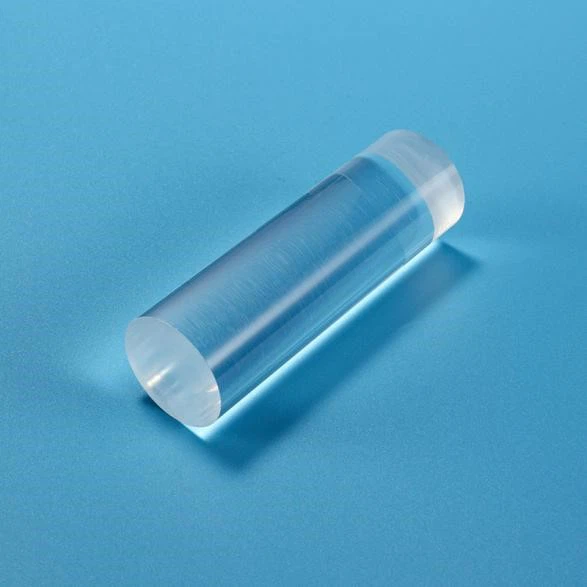
As a supplier of Quartz Rod, I'm well - aware of the significant role quartz products play in various industries, from electronics to optics. However, the production of quartz rods has a substantial environmental impact. This blog post aims to explore how we can reduce these environmental impacts and move towards a more sustainable future.
1. Raw Material Sourcing
One of the primary starting points in reducing the environmental impact of quartz rod production is through responsible raw material sourcing. Quartz rods are typically made from high - purity quartz. The extraction process of quartz from mines can cause considerable damage to the ecosystem, including deforestation, soil erosion, and water pollution.
To mitigate these issues, we can focus on sourcing from mines that adhere to strict environmental regulations. Look for suppliers that are certified by independent third - parties, such as the Responsible Mining Initiative. These certifications ensure that the mines operate in a manner that minimizes ecological disruption. For instance, mines can implement reforestation programs after extraction to restore the natural habitat.
Another approach is to consider using recycled quartz as a raw material. Recycling reduces the demand for newly mined quartz. Linking to our informational resource, Raw Material Of Quartz Plate provides detailed knowledge about the different types of raw materials for quartz products, which also applies to quartz rods in many ways. The reuse of existing quartz materials can significantly cut down on the energy required for mining and initial processing.

2. Energy Efficiency in Production
The production of quartz rods is an energy - intensive process. The melting and shaping stages, in particular, consume large amounts of electricity and heat. To reduce the environmental footprint in this area, we can invest in energy - efficient technologies.
Modernizing the production equipment is a crucial step. High - tech furnaces equipped with advanced insulation can retain heat more effectively, reducing the overall energy consumption during the melting process. Additionally, the use of energy - recovery systems can capture and reuse waste heat. For example, the hot exhaust gases from the furnace can be used to pre - heat the incoming raw materials, which reduces the additional energy needed to raise the temperature during the melting phase.
Renewable energy sources also offer a promising solution. By installing solar panels or wind turbines in the production facility, we can generate a significant portion of the required energy on - site. This not only cuts down on greenhouse gas emissions but also provides long - term cost savings as the cost of renewable energy continues to decline.
3. Water Management
Water is another essential resource in the production of quartz rods, especially during the cooling and cleaning processes. However, improper water management can lead to water pollution and scarcity.
Implementing water recycling systems is of utmost importance. After the water is used in the cooling process, it can be treated and reused instead of being discharged directly. This reduces the overall water consumption of the production process and minimizes the amount of wastewater that needs to be treated before being released into the environment.
It's also necessary to ensure that the water used in the production is of the appropriate quality. Improperly treated water can contaminate the quartz rods during the production process, leading to product defects and additional waste. By maintaining strict water quality control measures, we can improve both the product quality and the environmental sustainability of the production process.
4. Waste Reduction and Recycling
During the production of quartz rods, there is often a significant amount of waste generated, such as off - cuts and scrap materials. Instead of discarding this waste, we can find ways to recycle it.
The scrap quartz can be crushed and reused as a raw material in the production of new quartz rods. This not only reduces the demand for newly mined quartz but also minimizes the volume of waste sent to landfills. In addition, the by - products from the production process, such as certain chemical residues, can sometimes be treated and recycled for other industrial uses, further enhancing the overall resource efficiency.
The post - production waste, including packaging materials, also needs to be managed properly. Switching to recyclable and biodegradable packaging materials can significantly reduce the environmental impact associated with the transportation and storage of quartz rods. Refer to our Quartz Rod page for more information on the product and its associated waste reduction possibilities.
5. Supply Chain Optimization
The environmental impact of quartz rod production is not limited to the production facility itself. The entire supply chain, from raw material transportation to the delivery of the final product, contributes to the overall carbon footprint.
We can work with our suppliers to optimize their transportation routes. Using more fuel - efficient vehicles and consolidating shipments can reduce the amount of fuel consumed during transportation. Additionally, by promoting local sourcing as much as possible, we can shorten the distance that raw materials need to travel, thereby cutting down on emissions related to transportation.
On the distribution side, we can also collaborate with logistics partners to find more sustainable delivery options. For example, using electric or hybrid vehicles for local deliveries can significantly reduce greenhouse gas emissions.
6. Research and Development
Investing in research and development (R&D) plays a vital role in reducing the environmental impact of quartz rod production. Scientists and engineers can explore new manufacturing techniques that are more energy - efficient and environmentally friendly.
For example, new chemical processes could be developed that require less energy and produce fewer pollutants. Additionally, the development of new types of quartz materials with enhanced properties might allow for the production of thinner or smaller quartz rods, which would reduce the amount of raw material needed per unit of product. Our Quartz Ingot page can provide some insights into the latest developments in quartz - related materials, which can inspire R&D in quartz rod production as well.
7. Employee Training and Awareness
Employees are at the forefront of the production process. By providing them with comprehensive training on environmental best practices, we can ensure that they are actively involved in reducing the environmental impact of quartz rod production.
Training programs can cover topics such as energy conservation, proper waste management, and water - saving techniques. By raising employee awareness about the importance of sustainability, they are more likely to adopt environmentally friendly behaviors in their daily work. Moreover, employees can also provide valuable suggestions for process improvements based on their on - the - ground experience.
Encouraging Purchase and Collaboration
If you're in the market for high - quality and environmentally - friendly quartz rods, we're here to serve you. Our commitment to reducing the environmental impact of quartz rod production means that you not only get a top - notch product but also contribute to a more sustainable future. Whether you're in the electronics, optical, or any other industry that uses quartz rods, we invite you to reach out for more information and to start a fruitful business partnership. Contact us to discuss your specific requirements and let's work together towards a greener and more innovative future.
References
- Responsible Mining Initiative guidelines on environmental protection in mining.
- Various industry research reports on energy - efficient manufacturing technologies for quartz products.
- Studies on water management and recycling in industrial production processes.


