

How much does a Sapphire Wafer cost?
Leave a message

The cost of a sapphire wafer can vary significantly based on multiple factors, and as a supplier in this industry, I'm here to shed light on what influences these prices and give you a better understanding of the market.
Factors Affecting the Cost of Sapphire Wafers
1. Size
One of the most obvious factors is the size of the sapphire wafer. Larger wafers generally cost more. This is because growing larger single - crystal sapphires is a more complex and time - consuming process. The equipment required to grow and process larger wafers also has higher costs associated with it. For example, a 2 - inch sapphire wafer will typically be less expensive than a 6 - inch one. The increased size means more material is needed, and the probability of defects during the growth process also increases, which further drives up the cost.
2. Thickness
Thicker sapphire wafers are more costly. Thicker wafers demand more raw materials and longer growth times. Moreover, the processing steps to achieve the desired thickness with high precision are more challenging. For instance, a wafer with a thickness of 500 micrometers will be pricier than one with a thickness of 200 micrometers. The extra material and the additional processing to ensure uniform thickness across the wafer contribute to the higher cost.
3. Quality and Purity
The quality and purity of the sapphire wafer play a crucial role in determining its price. High - quality sapphire wafers with low defect densities, such as those with few dislocations, inclusions, or surface scratches, are in high demand for applications like semiconductor manufacturing and high - end optical devices. These wafers require strict control during the growth and processing stages. For example, sapphire wafers used in the production of high - performance LEDs need to have extremely high purity to ensure optimal light - emitting efficiency. The purification processes and quality control measures add to the overall cost.
4. Crystal Orientation
The crystal orientation of the sapphire wafer also affects its price. Different crystal orientations have different physical properties, which make them suitable for different applications. For example, the C - plane sapphire wafers are commonly used in LED manufacturing due to their excellent lattice matching with gallium nitride. However, achieving a specific crystal orientation during the growth process requires precise control, and wafers with specific orientations may be more expensive than those with more common or less - precisely - controlled orientations.
5. Market Demand and Supply
Like any other product, the cost of sapphire wafers is influenced by market demand and supply. When the demand for sapphire wafers in industries such as consumer electronics (e.g., smartphone camera covers), aerospace, and defense is high, and the supply is limited, the prices tend to increase. Conversely, if there is an oversupply in the market, the prices may drop. For example, with the increasing popularity of sapphire - protected smartphone screens, the demand for high - quality sapphire wafers has surged in recent years, which has had an impact on the market price.
Price Range of Sapphire Wafers
Based on the factors mentioned above, the price of sapphire wafers can range widely. For small - sized (e.g., 2 - inch), relatively thin (e.g., 200 micrometers) and standard - quality sapphire wafers, the price can start from a few tens of dollars per wafer. On the other hand, large - sized (e.g., 6 - inch or more), thick (e.g., 500 micrometers or greater), high - quality sapphire wafers with specific crystal orientations can cost several hundred dollars or even more per wafer.

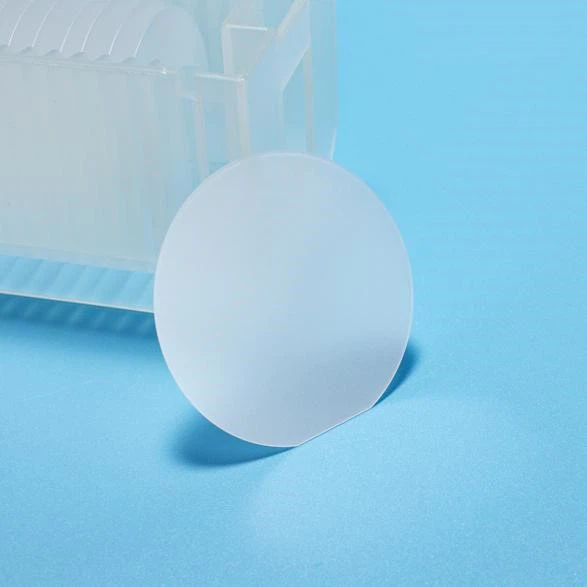
It's important to note that these are just rough estimates, and the actual price can vary depending on the specific requirements of the customer and the market conditions at the time of purchase.
Applications and Their Impact on Cost
1. Semiconductor Industry
In the semiconductor industry, sapphire wafers are used as substrates for growing compound semiconductors such as gallium nitride (GaN). The high - quality requirements in this industry, including low defect density and precise crystal orientation, mean that the sapphire wafers used here are relatively expensive. The cost is also driven by the fact that any defects in the sapphire wafer can have a significant impact on the performance of the semiconductor devices grown on it.
2. Optical Applications
Sapphire wafers are widely used in optical applications due to their excellent optical properties, such as high transparency in the visible and infrared regions. For applications like Sapphire Light Guide Rod and Sapphire Light Guide Block, the cost of the wafers depends on the optical quality required. High - precision optical components demand wafers with extremely smooth surfaces and high optical uniformity, which can increase the price.
3. Consumer Electronics
In consumer electronics, sapphire wafers are used for applications such as smartphone camera covers and watch faces. The demand for sapphire in these applications has grown in recent years due to its scratch - resistance and aesthetic appeal. However, the cost of sapphire wafers for consumer electronics needs to be balanced with the overall cost of the product. Manufacturers often look for cost - effective solutions while still maintaining a certain level of quality.
Cost - Saving Strategies for Customers
If you're considering purchasing sapphire wafers, there are several strategies you can adopt to save costs:
- Volume Purchases: Buying sapphire wafers in large quantities can often lead to volume discounts. Suppliers are usually willing to offer better prices for bulk orders as it helps them manage their production and inventory more efficiently.
- Flexibility in Specifications: If possible, be flexible with your requirements regarding size, thickness, and quality. Sometimes, a slightly different specification can still meet your application needs at a lower cost. For example, if your application doesn't require the highest - grade sapphire wafer, you can opt for a standard - quality one.
- Long - Term Contracts: Entering into long - term contracts with suppliers can provide price stability and potentially lower costs. Suppliers may be more willing to offer favorable prices in exchange for a long - term commitment.
Conclusion
As a sapphire wafer supplier, I understand that cost is a major concern for our customers. The price of sapphire wafers is determined by a variety of factors, including size, thickness, quality, crystal orientation, market demand, and application requirements. By understanding these factors, customers can make more informed decisions when purchasing sapphire wafers.
If you're interested in purchasing Sapphire Wafer for your specific application, I encourage you to reach out to us for a detailed quote. We have a wide range of sapphire wafers available to meet different needs and budgets. Our team of experts can also provide you with technical support and guidance to ensure that you get the right product for your requirements.
References
- "Sapphire Materials and Devices" by various authors in the field of materials science and engineering.
- Industry reports on the sapphire wafer market from market research firms.
- Technical papers on sapphire crystal growth and processing from academic journals.


