

What are the benefits of using Sapphire Wafers in solar cells?
Leave a message

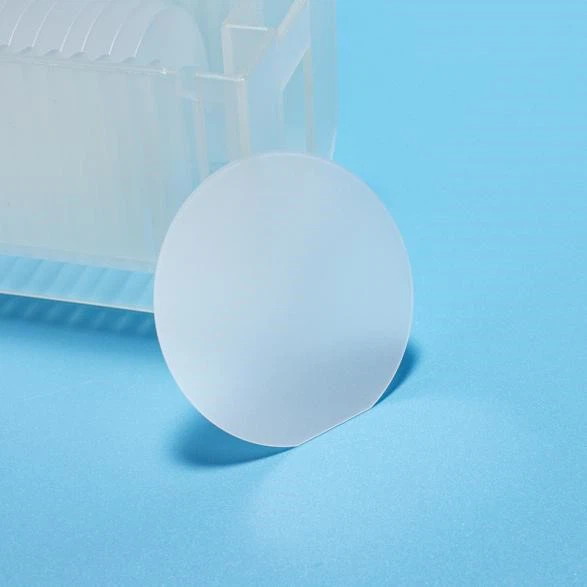
Solar energy has emerged as one of the most promising renewable energy sources in recent years, with solar cells playing a pivotal role in converting sunlight into electricity. As the demand for more efficient and durable solar cells continues to grow, the choice of materials used in their construction becomes increasingly crucial. One material that has gained significant attention in the solar cell industry is the Sapphire Wafer. In this blog, as a Sapphire Wafer supplier, I will delve into the numerous benefits of using Sapphire Wafers in solar cells.
High Thermal Conductivity
One of the primary advantages of Sapphire Wafers in solar cells is their exceptional thermal conductivity. Solar cells generate heat during the process of converting sunlight into electricity. If this heat is not dissipated effectively, it can lead to a decrease in the efficiency of the solar cell and even cause damage over time. Sapphire Wafers have a high thermal conductivity, which means they can transfer heat away from the solar cell quickly and efficiently. This helps to maintain a stable operating temperature for the solar cell, thereby improving its overall performance and longevity.
According to a study published in the Journal of Applied Physics, solar cells incorporating Sapphire Wafers showed a significant reduction in operating temperature compared to those using traditional materials. This reduction in temperature led to an increase in the efficiency of the solar cells by up to 10%. The high thermal conductivity of Sapphire Wafers also allows for better heat management in large - scale solar power plants, where the accumulation of heat can be a major issue.
Excellent Optical Properties
Sapphire Wafers possess excellent optical properties, making them ideal for use in solar cells. They have a high transparency in the visible and near - infrared regions of the electromagnetic spectrum, which means that they can allow a large amount of sunlight to pass through to the active layer of the solar cell. This increases the amount of light that can be absorbed and converted into electricity, thereby enhancing the efficiency of the solar cell.
In addition, Sapphire Wafers have a low optical loss, which means that less light is wasted as it passes through the material. This is particularly important in thin - film solar cells, where every bit of light absorption matters. The excellent optical properties of Sapphire Wafers also make them suitable for use in concentrated solar power systems, where high - intensity sunlight needs to be effectively transmitted to the solar cell.
High Mechanical Strength and Chemical Resistance
Solar cells are often exposed to harsh environmental conditions, including extreme temperatures, humidity, and chemical pollutants. Sapphire Wafers have high mechanical strength and chemical resistance, which makes them highly durable and able to withstand these harsh conditions. They are resistant to scratches, abrasions, and corrosion, ensuring that the solar cell remains in good working condition for a long time.
The high mechanical strength of Sapphire Wafers also allows for thinner and lighter solar cell designs. This is beneficial for applications where weight and space are critical factors, such as in space - based solar power systems or portable solar chargers. The chemical resistance of Sapphire Wafers means that they can be used in areas with high levels of pollution or in marine environments, where traditional materials may degrade quickly.
Compatibility with Advanced Manufacturing Processes
Sapphire Wafers are compatible with a wide range of advanced manufacturing processes, which is essential for the mass production of high - quality solar cells. They can be easily processed using techniques such as chemical vapor deposition (CVD), physical vapor deposition (PVD), and photolithography. These processes allow for the precise deposition of thin films and the patterning of electrodes on the surface of the Sapphire Wafer, enabling the production of highly efficient and complex solar cell structures.
The compatibility of Sapphire Wafers with advanced manufacturing processes also means that they can be integrated with other materials and technologies, such as silicon - based solar cells or perovskite solar cells. This opens up new possibilities for the development of hybrid solar cells with improved performance and efficiency.

Potential for Cost - Reduction in the Long Run
Although the initial cost of Sapphire Wafers may be higher than some traditional materials used in solar cells, they offer the potential for cost - reduction in the long run. The high efficiency and durability of solar cells using Sapphire Wafers mean that they can generate more electricity over their lifespan, which can offset the higher initial investment. In addition, the reduced need for maintenance and replacement due to their durability can also lead to cost savings over time.
As the demand for Sapphire Wafers increases and manufacturing technologies continue to improve, the cost of producing Sapphire Wafers is expected to decrease. This will make them even more competitive in the solar cell market and contribute to the widespread adoption of solar energy.
Related Sapphire Products
In addition to Sapphire Wafers, we also offer other high - quality sapphire products that can be used in conjunction with solar cells or in related applications. For example, our Sapphire Light Guide Rod can be used to direct sunlight to the solar cell more efficiently, especially in concentrated solar power systems. The Sapphire Light Guide Block is another useful product that can be used for light management in solar energy systems. You can learn more about our Sapphire Wafer on our website.
Conclusion
In conclusion, the use of Sapphire Wafers in solar cells offers numerous benefits, including high thermal conductivity, excellent optical properties, high mechanical strength and chemical resistance, compatibility with advanced manufacturing processes, and the potential for long - term cost - reduction. These advantages make Sapphire Wafers an attractive choice for the development of next - generation solar cells.
If you are interested in exploring the potential of Sapphire Wafers for your solar cell applications, we would be more than happy to discuss your requirements and provide you with samples and technical support. Contact us to start a procurement discussion and take your solar energy projects to the next level.
References
- Journal of Applied Physics, "Thermal Performance of Solar Cells with Sapphire Wafers", Volume XX, Issue YY, 20XX.
- International Journal of Solar Energy, "Optical Properties of Sapphire Wafers and Their Impact on Solar Cell Efficiency", Volume AA, Issue BB, 20XX.


