

What are the storage requirements for Sapphire Wafers?
Leave a message

Sapphire wafers, renowned for their exceptional properties such as high hardness, excellent thermal conductivity, and remarkable chemical stability, are widely used in various high - tech industries, including semiconductor, optoelectronics, and aerospace. As a sapphire wafer supplier, understanding the proper storage requirements for these wafers is crucial to maintain their quality and performance. In this blog, we will delve into the key aspects of sapphire wafer storage.
Environmental Conditions
Temperature
Temperature control is of utmost importance when storing sapphire wafers. Extreme temperatures can cause thermal stress on the wafers, potentially leading to cracks or warping. The ideal storage temperature for sapphire wafers is typically between 20°C and 25°C (68°F - 77°F). This range helps to minimize thermal expansion and contraction, ensuring the structural integrity of the wafers.
Fluctuations in temperature should also be kept to a minimum. Rapid temperature changes can create internal stresses within the sapphire material. For example, if a wafer is moved from a cold storage area to a warm environment suddenly, the outer layer of the wafer may expand faster than the inner part, resulting in stress fractures. To prevent this, storage facilities should be equipped with reliable temperature - regulating systems, such as air conditioners or heaters, to maintain a stable temperature.
Humidity
Humidity can have a significant impact on sapphire wafers. High humidity levels can lead to the formation of moisture on the wafer surface, which may cause corrosion or contamination. On the other hand, extremely low humidity can generate static electricity, which can attract dust particles and damage the wafer.
The recommended relative humidity for storing sapphire wafers is between 30% and 50%. To achieve and maintain this humidity range, dehumidifiers or humidifiers can be installed in the storage area. Additionally, humidity sensors should be placed throughout the storage space to monitor the humidity levels continuously.
Cleanliness and Contamination Control
Cleanroom Environment
Sapphire wafers are highly sensitive to contaminants, such as dust, particles, and chemicals. Even a tiny particle on the wafer surface can affect its performance, especially in applications such as semiconductor manufacturing. Therefore, it is essential to store sapphire wafers in a cleanroom environment.
Cleanrooms are classified according to the number of particles per cubic meter of air. For sapphire wafer storage, a cleanroom of at least Class 1000 is recommended. This means that the air in the cleanroom contains no more than 1000 particles larger than 0.5 micrometers per cubic foot. Cleanrooms are equipped with high - efficiency particulate air (HEPA) filters to remove particles from the air, and strict access control measures are in place to prevent contamination from personnel.
Packaging
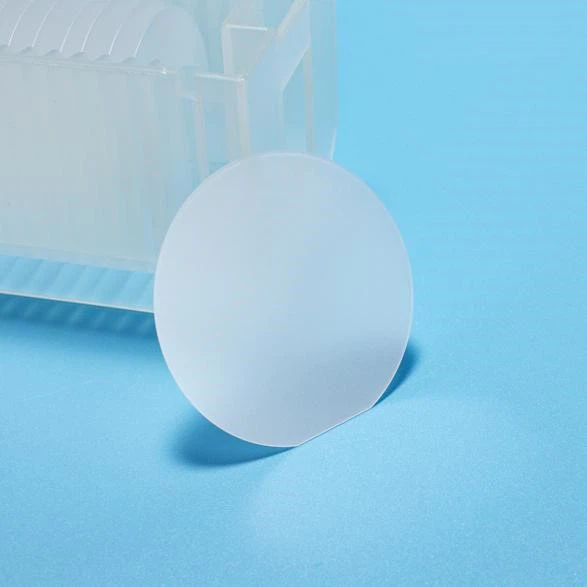
Proper packaging is another crucial factor in preventing contamination. Sapphire wafers are typically packaged in clean, air - tight containers. These containers are made of materials that do not release particles or chemicals, such as polycarbonate or polyethylene. Inside the container, the wafers are often separated by clean, non - abrasive spacers to prevent scratching.
Before packaging the wafers, each wafer should be thoroughly cleaned using appropriate cleaning agents and techniques. After packaging, the containers should be sealed properly to prevent the entry of dust and moisture.
Storage Rack and Handling
Storage Rack Design
The storage rack for sapphire wafers should be designed to provide stable support and prevent damage. The rack should be made of materials that are non - corrosive and do not generate particles, such as stainless steel. The shelves of the rack should be smooth and flat to avoid scratching the wafers.
The spacing between the shelves should be sufficient to allow easy access to the wafers without causing any contact or damage. Additionally, the rack should be designed to prevent the wafers from sliding or falling during storage or handling.
Handling Procedures
When handling sapphire wafers, strict procedures should be followed to prevent damage. Personnel should wear cleanroom suits, gloves, and masks to avoid contamination. Specialized tools, such as wafer tweezers or vacuum handlers, should be used to pick up and place the wafers.
The wafers should be handled gently to avoid applying excessive force, which could cause cracks or chips. When moving the wafers between storage locations, appropriate transportation containers should be used to ensure their safety.
Compatibility with Other Materials
Sapphire wafers may come into contact with other materials during storage, such as the storage rack, packaging materials, or adjacent wafers. It is important to ensure that these materials are compatible with sapphire to prevent chemical reactions or physical damage.
For example, some metals may react with sapphire under certain conditions, causing corrosion. Therefore, the storage rack and any other metal components in contact with the wafers should be made of corrosion - resistant materials. Similarly, the packaging materials should not contain any chemicals that could react with sapphire.
Monitoring and Inspection
Regular monitoring and inspection of the stored sapphire wafers are essential to detect any potential issues early. Temperature and humidity sensors should be checked regularly to ensure their accuracy. The cleanliness of the storage area and the condition of the packaging should also be inspected periodically.
In addition, the wafers themselves should be inspected for any signs of damage, such as cracks, chips, or contamination. Visual inspection can be carried out using a microscope or other optical inspection tools. If any issues are detected, appropriate measures should be taken immediately, such as replacing damaged wafers or adjusting the storage conditions.
As a sapphire wafer supplier, we not only provide high - quality Sapphire Wafer but also offer professional advice on storage and handling. Our products are also complemented by other sapphire - based products such as Sapphire Light Guide Rod and Sapphire Light Guide Block, which are widely used in the optoelectronic industry.
If you are interested in our sapphire products or have any questions about sapphire wafer storage, we welcome you to contact us for procurement and further discussions. We are committed to providing you with the best products and services to meet your specific needs.

References
- "Handbook of Sapphire Technology" - A comprehensive guide on sapphire properties, manufacturing, and applications.
- Industry standards and guidelines for semiconductor wafer storage and handling.
- Research papers on the effects of environmental factors on sapphire materials.


