

What is the sound absorption property of quartz sand?
Leave a message

What is the sound absorption property of quartz sand?
As a supplier of high - quality Quartz Sand, I've been frequently asked about the sound absorption property of this remarkable material. In this blog, I'll dive deep into the science behind the sound absorption of quartz sand, its applications, and how it can be beneficial in various scenarios.
Understanding Sound Absorption
Before delving into the sound absorption of quartz sand, it's crucial to understand what sound absorption means. Sound is a wave that travels through a medium, such as air. When sound waves encounter a surface or a material, three things can happen: reflection, transmission, and absorption. Sound absorption occurs when the energy of the sound wave is converted into other forms of energy, usually heat, as it passes through or interacts with a material.
Sound Absorption Mechanisms of Quartz Sand
Quartz sand is composed of small, irregularly shaped particles of quartz. These particles interact with sound waves in several ways to achieve sound absorption.
One of the primary mechanisms is friction. When sound waves pass through the spaces between the sand particles, they cause the particles to vibrate. The movement of these particles against each other creates friction, which dissipates the sound energy as heat. The porous nature of a collection of quartz sand also plays a vital role. Sound waves can penetrate into the pores of the sand structure. Inside the pores, the sound waves experience multiple reflections and refractions, which gradually reduce the energy of the waves as they bounce around.
The size and shape of the quartz sand particles also influence its sound - absorbing ability. Generally, finer sand particles provide more surface area for the sound waves to interact with, leading to better sound absorption. Irregularly shaped particles can scatter the sound waves in different directions, further enhancing the absorption process.
Factors Affecting the Sound Absorption of Quartz Sand
Several factors can impact the sound absorption performance of quartz sand.
Particle Size
As mentioned earlier, particle size is a significant factor. Finer sand particles, with a smaller diameter, have a larger total surface area compared to coarser particles. This increased surface area allows for more interaction between the sound waves and the sand particles, resulting in higher sound absorption. For example, sand with a particle size in the range of 0.1 - 0.5 mm may have better sound - absorbing properties than sand with a particle size of 1 - 2 mm.
Density
The density of the quartz sand layer also affects sound absorption. A higher density means more particles are packed together, which can increase the number of interactions between the sound waves and the particles. However, if the density is too high, it may reduce the porosity of the sand, limiting the ability of the sound waves to penetrate into the structure. Therefore, there is an optimal density range for achieving the best sound absorption.
Thickness of the Sand Layer
The thickness of the quartz sand layer is another important factor. A thicker layer of sand provides more distance for the sound waves to travel through, increasing the chances of multiple reflections and energy dissipation. In general, as the thickness of the sand layer increases, the sound absorption coefficient also increases, especially at lower frequencies.
Applications of Quartz Sand for Sound Absorption
Quartz sand's sound - absorbing properties make it suitable for a wide range of applications.

Construction
In the construction industry, quartz sand can be used in the construction of sound - proof walls and partitions. By incorporating quartz sand into the building materials, such as concrete or plaster, the overall sound - absorbing performance of the structure can be improved. For example, in recording studios or theaters, where sound quality is of utmost importance, using quartz sand - enhanced materials can help reduce unwanted echoes and background noise.
Industrial Settings
In industrial environments, where there is often a high level of noise generated by machinery, quartz sand can be used as a sound - absorbing material. It can be placed around noisy equipment or in the walls of industrial buildings to reduce the noise levels and create a more comfortable working environment.
Acoustic Insulation in Vehicles
Quartz sand can also be used in the acoustic insulation of vehicles. By adding quartz sand to the insulation materials in cars, trucks, or airplanes, the noise from the engine, road, and wind can be effectively reduced, providing a quieter and more comfortable ride for passengers.
Comparison with Other Sound - Absorbing Materials
When compared to other common sound - absorbing materials, such as fiberglass and acoustic foam, quartz sand has its own advantages.
Fiberglass is a widely used sound - absorbing material, but it can be a health hazard if the fibers are inhaled. Quartz sand, on the other hand, is a natural and relatively safe material. Acoustic foam is lightweight and easy to install, but it may not be as durable as quartz sand. Quartz sand can withstand harsh environmental conditions and has a longer service life.
Our High - Quality Quartz Sand
As a supplier, we offer high - quality Quartz Sand that is carefully processed to ensure optimal sound - absorbing properties. Our quartz sand is sourced from high - purity quartz deposits and undergoes strict quality control measures. We can provide quartz sand with different particle sizes and densities to meet the specific requirements of our customers.
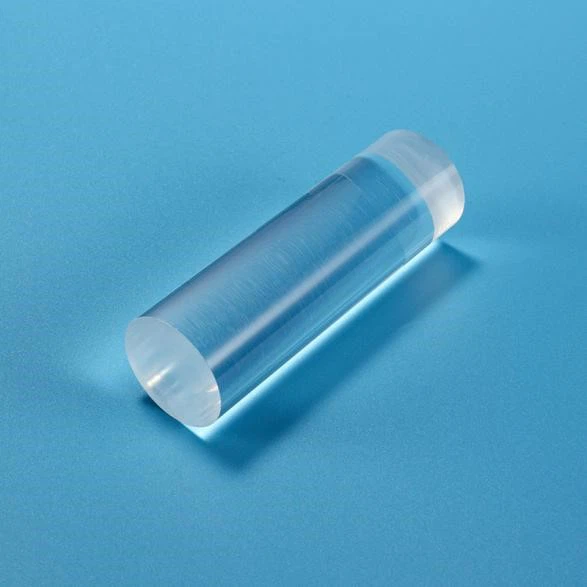
If you are interested in our Quartz Sand, you may also be interested in our other products such as Quartz Rod and Quartz Ingot. These products also have a wide range of applications in various industries.
Conclusion
In conclusion, quartz sand has unique sound - absorbing properties due to its particle structure and physical characteristics. Its ability to convert sound energy into heat through friction and multiple reflections makes it a valuable material for sound - proofing and acoustic insulation. With its wide range of applications and advantages over other materials, quartz sand is an excellent choice for those looking to reduce noise levels.
If you are in need of high - quality quartz sand for sound - absorbing purposes or other applications, please feel free to contact us for more information and to discuss your specific requirements. We are committed to providing the best products and services to our customers.
References
- Beranek, Leo L. "Acoustics." American Institute of Physics, 1986.
- Kinsler, Lawrence E., et al. "Fundamentals of Acoustics." Wiley, 2000.
- Mechel, F. P. "Absorber Materials and Their Application." Springer, 2007.


