

Can Sapphire Wafers be cut into custom shapes?
Leave a message

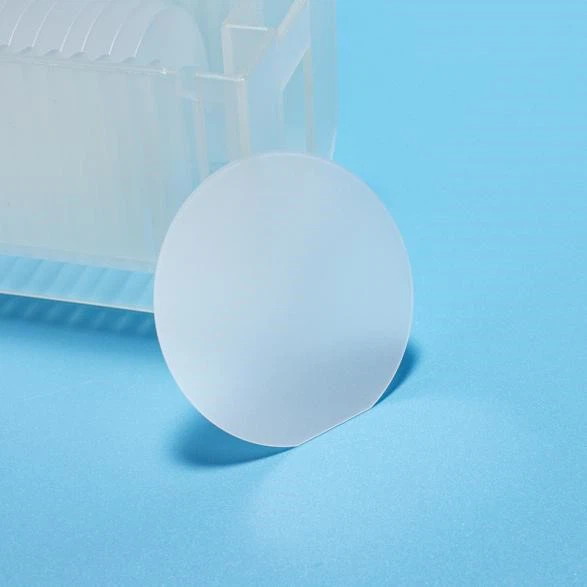
As a supplier of Sapphire Wafers, I often encounter inquiries from customers about the feasibility of cutting sapphire wafers into custom shapes. Sapphire, with its exceptional properties, has become a material of choice in various high - tech industries. In this blog, I'll delve into the technical aspects of cutting sapphire wafers into custom shapes, the challenges involved, and the potential applications.
Properties of Sapphire Wafers
Sapphire is a crystalline form of aluminum oxide ((Al_2O_3)) and is known for its remarkable properties. It has high hardness, ranking 9 on the Mohs scale, second only to diamond. This hardness makes it highly resistant to scratches and wear, which is crucial in applications where the material is exposed to harsh environments. Sapphire also has excellent optical transparency over a wide range of wavelengths, from ultraviolet to infrared. It has high thermal conductivity, good chemical stability, and high electrical insulation. These properties make sapphire wafers suitable for a variety of applications, such as in semiconductor manufacturing, optical components, and high - end watch covers. You can learn more about Sapphire Wafer on our website.
Cutting Sapphire Wafers into Custom Shapes: Is it Possible?
The short answer is yes, sapphire wafers can be cut into custom shapes. However, it is not an easy task due to the material's hardness. Traditional cutting methods used for softer materials are not effective for sapphire. There are several advanced techniques available for cutting sapphire wafers, each with its own advantages and limitations.
Laser Cutting
Laser cutting is one of the most popular methods for cutting sapphire wafers into custom shapes. A high - energy laser beam is focused on the sapphire wafer, and the intense heat generated by the laser vaporizes or melts the material along the cutting path. Laser cutting offers high precision and can create very fine and complex shapes. It is a non - contact process, which means there is no mechanical stress on the wafer during cutting, reducing the risk of cracking or chipping. However, laser cutting can also cause thermal damage to the material, such as the formation of micro - cracks or a heat - affected zone around the cut edge. This may require additional post - processing steps to improve the surface quality.
Diamond Saw Cutting
Diamond saw cutting is another common method. A diamond - tipped saw blade is used to cut through the sapphire wafer. The diamond particles on the saw blade are extremely hard and can effectively abrade the sapphire material. Diamond saw cutting is suitable for cutting thicker sapphire wafers and can achieve relatively high cutting speeds. However, it is a mechanical process, and there is a risk of mechanical stress on the wafer, which may lead to cracking or chipping, especially for thin or brittle wafers. The cutting accuracy of diamond saw cutting is also limited compared to laser cutting, and the surface finish may not be as smooth.
Waterjet Cutting
Waterjet cutting uses a high - pressure stream of water mixed with abrasive particles to cut through the sapphire wafer. The abrasive particles in the waterjet erode the sapphire material, creating the desired cut. Waterjet cutting is a relatively gentle process and can minimize the risk of thermal damage. It can also cut thick sapphire wafers and is suitable for creating large - scale custom shapes. However, the cutting speed is relatively slow, and the cutting accuracy may be affected by factors such as the waterjet pressure and the flow rate of the abrasive particles.
Challenges in Cutting Sapphire Wafers into Custom Shapes
Despite the available cutting methods, there are several challenges in cutting sapphire wafers into custom shapes.
Material Hardness
As mentioned earlier, the high hardness of sapphire makes it difficult to cut. The cutting tools need to be extremely hard and wear - resistant to effectively cut through the material. This increases the cost of cutting tools and may also limit the cutting speed.
Precision and Tolerance
Many applications require high precision and tight tolerances for the custom - shaped sapphire wafers. Achieving the desired precision can be challenging, especially when using cutting methods that may cause thermal or mechanical damage to the material. Even small deviations in the cutting process can affect the performance of the final product.
Surface Quality
The surface quality of the cut edges is crucial in many applications. Rough or damaged cut edges can affect the optical properties, mechanical strength, or electrical performance of the sapphire wafer. Post - processing steps such as polishing may be required to improve the surface quality, which adds to the production time and cost.
Applications of Custom - Shaped Sapphire Wafers
Custom - shaped sapphire wafers have a wide range of applications in various industries.
Semiconductor Industry
In the semiconductor industry, custom - shaped sapphire wafers are used as substrates for the growth of semiconductor materials. The unique properties of sapphire, such as its high thermal conductivity and electrical insulation, make it an ideal substrate material. Custom - shaped wafers can be designed to fit specific device geometries, improving the performance and integration of semiconductor devices.
Optical Industry
In the optical industry, custom - shaped sapphire wafers are used to manufacture optical components such as lenses, prisms, and windows. Sapphire's excellent optical transparency and scratch resistance make it suitable for high - performance optical applications. For example, Sapphire Light Guide Block and Sapphire Light Guide Rod are often made from custom - shaped sapphire wafers. These components are used in lighting systems, sensors, and imaging devices.
Watch Industry
In the watch industry, sapphire is a popular material for watch covers and crystals. Custom - shaped sapphire wafers can be cut to fit different watch designs, providing a scratch - resistant and aesthetically pleasing appearance.

Conclusion
In conclusion, while cutting sapphire wafers into custom shapes is possible, it requires advanced cutting techniques and careful consideration of the material's properties. Laser cutting, diamond saw cutting, and waterjet cutting are the main methods available, each with its own pros and cons. The challenges of cutting sapphire wafers, such as material hardness, precision requirements, and surface quality, need to be addressed to ensure high - quality custom - shaped products.
If you are interested in purchasing custom - shaped sapphire wafers or have any questions about our products, please feel free to contact us for a detailed discussion. We are committed to providing high - quality sapphire products and excellent customer service.
References
- "Sapphire: Properties, Applications, and Processing" - A technical report on sapphire materials.
- "Advanced Cutting Techniques for Hard Materials" - A research paper on cutting methods for hard materials like sapphire.
- Industry standards and guidelines for sapphire wafer manufacturing and processing.


